Cleaning your pet's collar is an essential task for pet owners. The collar collects dirt, oils, and odors over time. It is important to know how to clean pet collars properly to maintain hygiene and comfort for your furry friend. Dr. Sarah Johnson, a reputable veterinarian with over 15 years of experience, states, "Regular cleaning of pet collars not only keeps them fresh but also promotes your pet's skin health."
The process may seem straightforward, yet many overlook crucial steps. It's easy to grab any cleaner or skip washing altogether. However, improper cleaning can lead to irritation or allergic reactions in pets. Be mindful of the materials in the collar when selecting a washing method. For example, leather collars may require special care, while nylon ones can often withstand a machine wash.
Understanding how to clean pet collars properly isn't just about removing dirt. It's a chance to inspect the collar for wear and tear. Look for frays, loose buckles, or broken clasps. By being thorough, you ensure your pet is safe and comfortable during walks and playtime. Prioritize regular cleaning, and don't ignore the signs when your collar looks dirty or worn out.
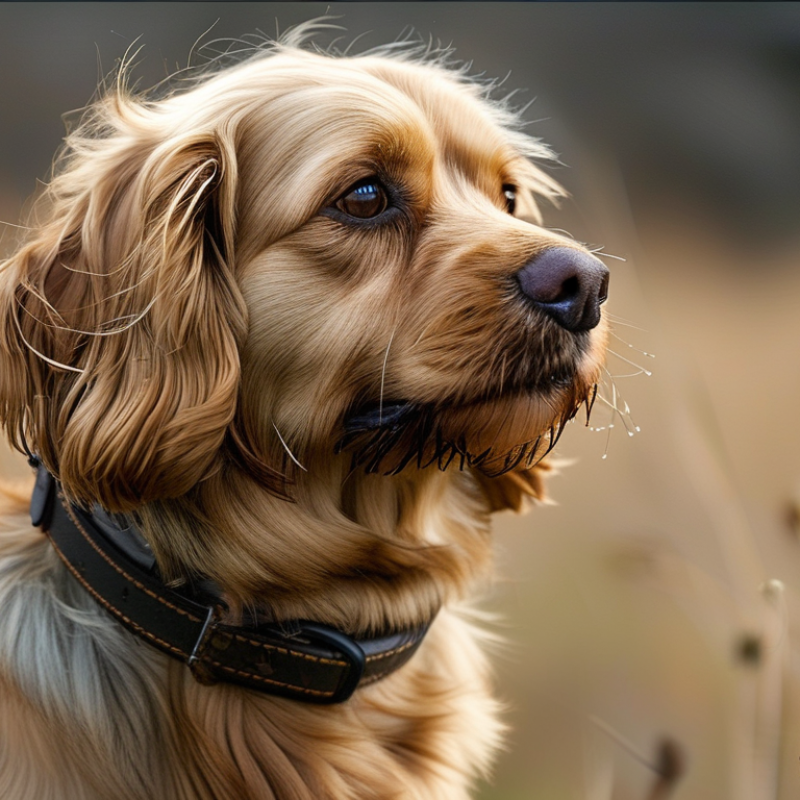
Cleaning pet collars effectively depends on their materials. Different fabrics require tailored approaches. For example, nylon collars are durable but can trap dirt and odors. Washing them in warm, soapy water works well. Make sure to scrub any stubborn spots with a soft brush.
Leather collars, on the other hand, require more care. They should not be soaked in water. Instead, use a damp cloth and a specialized leather cleaner. Wipe gently to preserve their texture. It’s crucial to let them air dry away from direct sunlight. Overexposure can lead to cracks.
For fabric collars, machine wash is an option. Use a gentle cycle and a mild detergent. Ensure they are securely fastened in a laundry bag to prevent tangling. Always check care labels. Some materials might shrink or lose shape. Reflecting on these methods can improve both the collar's longevity and your pet's hygiene.
| Collar Material | Recommended Cleaning Method | Frequency of Cleaning | Special Considerations |
|---|---|---|---|
| Nylon | Machine wash in cold water | Every 1-2 weeks | Avoid bleach |
| Leather | Wipe with a damp cloth and leather conditioner | Once a month | Keep away from direct sunlight |
| Biothane | Wash with soap and warm water | Every few weeks | Resistant to odors and stains |
| Fabric | Hand wash or machine wash on gentle cycle | Every 1-2 weeks | Check for color fastness |
| Metal | Clean with a metal polish or vinegar solution | As needed | Avoid harsh chemicals |
: Wash nylon collars in warm, soapy water. Scrub stubborn spots gently with a soft brush.
Use a damp cloth and a specialized leather cleaner. Avoid soaking and let them air dry.
Yes, but use a gentle cycle and mild detergent. Secure them in a laundry bag to avoid tangling.
Many collars harbor bacteria and odors, leading to skin irritations. Regular cleaning improves hygiene.
Check collars weekly for buildup. A clean appearance doesn't guarantee they're bacteria-free.
Steer clear of abrasive cleaners and bleach. They can damage the collar's material and integrity.
A mixture of warm water and vinegar can help eliminate bad smells from collars effectively.
Spot clean the stains with soapy water and a soft brush. Focus on buckles and clasps for thorough cleaning.
No, air dry collars instead. High heat can shrink or distort the collar's shape over time.
Many overlook the need for regular cleaning. A collar may look clean but can still harbor harmful bacteria.
Cleaning pet collars is essential for maintaining your pet's hygiene and comfort. To learn how to clean pet collars properly, it's important to start by choosing the right cleaning method based on the collar's material, whether it's nylon, leather, or fabric. Gather the necessary cleaning supplies, such as mild detergents and soft brushes, to ensure effective cleaning without damaging the collar.
Once you have your supplies, follow a step-by-step guide to hand washing or, if suitable, machine washing the collars. Hand washing is often gentler and allows for more control, while machine washing can be convenient for durable materials. Finally, focus on drying and maintaining your pet collars to extend their lifespan, ensuring they remain clean, fresh, and comfortable for your furry friend. By following these guidelines, you can keep your pet’s collar in great condition and contribute to their overall well-being.

 Canna Pet Supplies