China Top Pet Collar Suppliers How to Extend Collar Life?

Time:2026-09-06 Author:Amelia
0%

A dependable pet collar is more than a daily accessory. It supports identification, leash control, and a pet’s comfort during walks, travel, and training. China’s top pet collar suppliers increasingly focus on durable webbing, secure buckles, smooth edges, and reliable stitching. Yet even a well-made collar can weaken when exposed to rain, mud, sunlight, or constant pulling.

The practical question is: How to extend the life of pet collars without reducing comfort or safety? Regular inspection provides the clearest answer. Check the stitching near the D-ring, where stress often appears first. Run your fingers along the fabric and watch for fraying, stiffness, cracks, or loose threads. A collar may look acceptable while hiding damage beneath dirt. That is easy to miss.

Cleaning also matters. Rinse washable collars after beach walks or muddy outings, then dry them completely in a ventilated place. Avoid harsh bleach, excessive heat, and rough brushing, because these can damage fibers and coatings. Suppliers with professional manufacturing experience can explain material differences, care limits, and appropriate testing standards. Their advice should be supported by clear product specifications, sample checks, and consistent quality records.

Fit deserves attention too. Two fingers should usually fit between the collar and the pet’s neck, although breed, coat thickness, and design can change this guidance. A collar that is too tight creates discomfort. One that is too loose may slip away. Replace it when damage affects strength, even if the pattern still looks attractive. Collars are not permanent. Care extends their service life, but thoughtful owners must still accept that replacement is sometimes the safest choice.
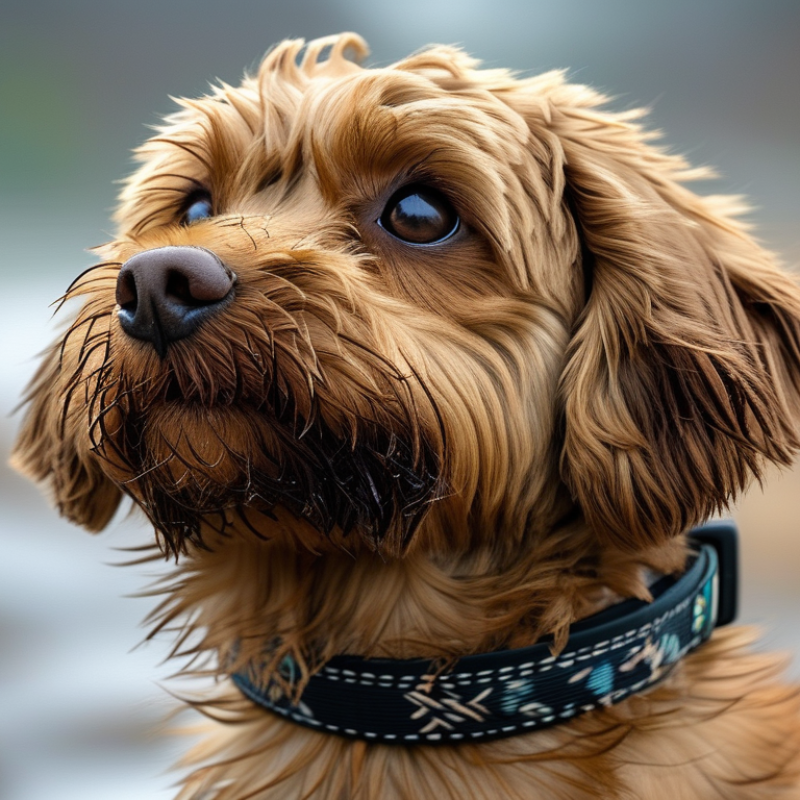
China Top Pet Collar Suppliers How to Extend Collar Life?

What Makes China a Leading Source of Pet Collars?

China is a leading source of pet collars because its supply network connects material mills, hardware makers, and assembly factories. This shortens production cycles and supports flexible order sizes. Suppliers can adjust webbing width, buckle strength, stitching, and packaging without rebuilding the entire process. China also offers polyester, nylon, leather alternatives, and recycled materials at different price levels.

Demand supports this manufacturing depth. The American Pet Products Association reported that U.S. pet industry spending reached 152 billion dollars in 2024. Grand View Research also identifies pet accessories as a growing global category. These figures encourage Chinese suppliers to improve testing, traceability, and product customization. Still, low price does not always mean long life. I have seen collars fail at the buckle before the fabric showed damage. That detail deserves more attention.

Tips: Choose dense webbing and corrosion-resistant hardware. Check stitching around the D-ring, especially after wet walks. Wash collars with mild soap, then dry them completely. Rotate two collars during active seasons. Inspect frayed edges weekly. Replace any collar with cracked plastic, loose stitching, or stretched holes. Suppliers can extend service life through bartack stitching, reinforced holes, colorfast dyes, and measured pull testing. Ask for material specifications and inspection records, not only attractive product photos.

How to Choose Reliable Chinese Pet Collar Suppliers

China Top Pet Collar Suppliers: How to Extend Collar Life?

Reliable Chinese pet collar suppliers should offer more than attractive prices. Check their production experience, material sources, and quality-control process. Request samples before placing a large order. Examine the stitching, buckle strength, edge finishing, and adjustment holes by hand. Nylon should feel dense, not thin or overly soft. Metal parts should resist rust during normal use. Ask for material details, inspection records, and product testing reports. Clear answers show professional management.

Communication matters too. A dependable supplier confirms measurements, packaging, lead times, and acceptable defect rates in writing. Factory photos are useful, but an independent inspection offers stronger evidence. Ask how rejected items are handled. Ask how customer complaints are recorded. A polished catalog can still hide weak stitching. That is easy to miss. During sample reviews, test repeated pulling and buckle opening. Also inspect collars after washing and drying. Some suppliers may pass a simple inspection yet overlook long-term wear. That deserves honest discussion.

Tips: Compare at least three suppliers. Keep approved samples for future checks. Choose adjustable designs with reinforced stress points. Request batch photos before shipment. Discuss replacement terms early. Do not select the lowest quote automatically. A cheaper collar may use weaker webbing or inconsistent hardware. My view has changed over time: supplier reliability is not proven by one perfect sample. It is built through traceable materials, steady communication, repeatable quality, and practical support after delivery.

China Top Pet Collar Suppliers How to Extend Collar Life? - How to Choose Reliable Chinese Pet Collar Suppliers
Evaluation Dimension Recommended Specification or Benchmark How to Verify the Supplier How It Extends Collar Life Practical Sourcing Guidance
Webbing Material High-density nylon or polyester webbing; commonly available widths include 15 mm, 20 mm, and 25 mm. Request material specifications, webbing width and thickness records, colorfastness information, and production samples. Dense woven fibers better resist fraying, repeated pulling, moisture exposure, and everyday abrasion. Match webbing width and strength to the intended pet size instead of using one specification for every product.
Hardware Strength Use corrosion-resistant zinc alloy, stainless steel, or reinforced acetal components. The buckle, D-ring, and adjuster should be sized for the collar width. Ask for component material declarations and conduct a static pull test on the complete assembled collar. Strong, well-matched hardware reduces deformation, cracking, rust, and accidental release during normal use. Test the entire collar assembly, because hardware strength alone does not represent the strength of the finished product.
Stitching Construction Reinforced box-X or bar-tack stitching at the D-ring and buckle attachment points; no loose threads or skipped stitches. Review the supplier's sewing standard, inspect production samples, and apply repeated load testing to high-stress areas. Reinforced stitching distributes tensile forces and helps prevent webbing pull-out at the connection points. Specify stitch density, thread type, reinforcement pattern, and acceptable loose-thread limits in the purchase specification.
Edge Finishing Smoothly cut and heat-sealed synthetic webbing edges, without sharp corners, excessive melting, or hard burrs. Perform a visual and hand-feel inspection on samples from different production batches. Proper edge finishing limits fiber unraveling and reduces rubbing against the pet's coat and skin. Reject edges that are stiff, sharp, uneven, or visibly fused beyond the specified tolerance.
Adjuster Reliability The adjuster should hold the selected length without visible slippage during repeated adjustment and pulling. Mark the webbing position, apply repeated tension, and measure any movement after testing. Reliable adjustment prevents the collar from loosening during use and reduces repeated re-tightening that can stress the webbing. Include a maximum allowable adjustment movement in the technical agreement before mass production.
Load and Pull Testing Set product-specific test loads according to collar width, target pet weight, intended use, and safety risk; use a documented test method. Request test records showing sample quantity, test load, holding time, failure mode, and pass/fail criteria. Testing identifies weak seams, hardware deformation, buckle release, and webbing separation before shipment. Do not rely only on a material tensile value; require testing of the finished collar under realistic connection conditions.
Abrasion and Washing Resistance Evaluate surface wear after repeated rubbing and after the care method stated on the product label, such as hand washing or low-temperature machine washing. Compare before-and-after samples for fraying, color change, coating damage, odor, and hardware corrosion. Suitable materials and coatings retain strength and appearance through routine cleaning and contact with floors, leashes, and outdoor surfaces. Validate the test using the actual collar construction rather than testing webbing alone.
Moisture and Corrosion Control Use moisture-tolerant webbing and hardware appropriate for wet environments; avoid unprotected metal parts where frequent water exposure is expected. Inspect plating or stainless-steel documentation and conduct wet-use or humidity checks on finished samples. Reduces rust staining, metal weakening, unpleasant odor, and deterioration of stitching or webbing. Specify whether the collar is intended for indoor use, outdoor use, or frequent water exposure.
Fit and Size Control Provide clear neck-size ranges and adjustment allowances. A correctly fitted collar should allow approximately two fingers between the collar and the pet's neck. Check finished dimensions with a calibrated measuring tool and inspect size markings on every lot. Correct fit reduces excessive rubbing, concentrated stress, accidental slipping, and damage caused by over-tightening. Use separate size ranges for small, medium, and large pets where neck dimensions and load conditions differ.
Material and Chemical Safety Require materials and dyes that comply with the regulations applicable to the destination market, including limits on restricted substances where relevant. Request recent third-party laboratory reports covering the specified material and production batch. Appropriate material control reduces the risk of skin irritation, premature coating breakdown, and unsafe material substitution. Confirm that test reports match the actual supplier, material composition, color, and product specification.
Factory Quality Control A reliable supplier should use incoming-material inspection, in-process sewing checks, final inspection, and documented defect classification. Request a sample inspection checklist, defect photographs, corrective-action records, and lot traceability procedure. Consistent process control prevents recurring defects such as incorrect stitching, missing components, uneven edges, and wrong sizes. Define critical, major, and minor defects and agree on the inspection level before placing an order.
Sample Approval Process Approve a reference sample that records dimensions, materials, colors, hardware, stitching, packaging, and labeling requirements. Compare pre-production samples with the approved reference and retain signed or digitally confirmed records. Prevents unnoticed design changes that may reduce strength, fit, comfort, or durability during mass production. Require written approval before any change to webbing, hardware, thread, supplier source, or construction method.
Packaging and Storage Keep collars clean, dry, and protected from prolonged sunlight, excessive humidity, compression, and contact with sharp packaging materials. Review carton construction, inner-pack protection, storage instructions, and shipping-condition controls. Proper storage limits mildew, discoloration, deformation, corrosion, and abrasion before the product reaches the user. Ask the supplier to state recommended storage conditions and maximum storage duration for finished goods.
Supplier Communication and Traceability The supplier should provide clear technical responses, stable specifications, production records, and batch identification. Evaluate response time, document accuracy, change-notification practices, and ability to trace materials to a production lot. Fast, documented corrective action helps prevent repeated failures and supports targeted product improvements. Include inspection rights, nonconformance handling, replacement terms, and change-control requirements in the contract.
End-User Care Instructions Provide instructions to inspect the collar regularly, clean it according to the care label, dry it fully, and replace it when webbing, stitching, hardware, or buckle components show damage. Check that care instructions are accurate for the selected materials and are printed clearly on the packaging or label. Regular inspection and correct cleaning remove abrasive dirt and identify unsafe wear before failure occurs. Avoid claiming a fixed service life unless it is supported by product-specific testing and clearly defined usage conditions.
Note: The specifications and test benchmarks above are practical sourcing references rather than universal legal requirements. Final requirements should be validated against the target market, pet size range, intended use, applicable regulations, and independent testing of the finished collar.

Which Materials and Designs Improve Collar Durability?

China Top Pet Collar Suppliers: How to Extend Collar Life?

Which Materials and Designs Improve Collar Durability?

A durable pet collar begins with the right material. High-density nylon handles daily pulling, rain, and repeated adjustment. Polyester resists sunlight better in many outdoor conditions. TPU-coated webbing adds a smooth, water-resistant surface that is easier to wipe clean. Leather can feel comfortable, but moisture and poor drying may cause cracking. It needs care.

Hardware matters just as much. Stainless steel D-rings resist rust near water and humid climates. Strong acetal buckles are lightweight and less likely to crack during ordinary use. Suppliers should inspect buckle fit, ring welding, and strap strength through repeated load testing. A collar that looks thick may still fail at one weak joint.

Design details often decide service life. Box-X stitching spreads force across a larger area than a single straight seam. Folded edges reduce rubbing around the neck. A smooth adjustment path prevents sharp creases in the webbing. Reflective sections improve visibility, but they should not replace structural stitching. Keep it practical.

In factory checks, staff should examine loose threads, uneven stitching, and rough metal edges by hand. Cleaning instructions should match the material. Many owners leave collars wet after walks, and that shortens their life. Even durable collars need regular inspection. No collar lasts forever. Our own testing can miss real-world chewing, twisting, or sudden movement, so replacement decisions should remain careful and honest.

How to Clean, Inspect, and Store a Pet Collar Properly

A pet collar lasts longer when dirt, moisture, and friction are managed regularly. I check my dog’s collar after muddy walks, especially around the buckle and stitching. Remove tags before cleaning. Hand-wash nylon or polyester collars in lukewarm water with mild, unscented soap. Use a soft toothbrush for packed dirt. Avoid bleach, strong solvents, and very hot water. These can weaken fibers or irritate a pet’s skin. Leather needs less water. Wipe it with a barely damp cloth, then apply a suitable leather conditioner sparingly. Never dry any collar on a radiator or under intense sunlight.

Inspection matters as much as cleaning. Look for loose threads, stretched holes, cracked plastic, rusty metal, or rough edges. Run your fingers along the inside surface. Small abrasions can become painful during daily movement. Check the buckle by fastening and gently pulling it. It should hold without slipping. I once ignored a thin seam because the collar still looked attractive. That was a poor judgment. Appearance is not proof of safety. Replace the collar when damage affects its strength or comfort. After washing, let it dry completely in a shaded, ventilated place. Store it away from damp floors, chewing pets, and sharp objects. Keep a spare collar available, but inspect that one too. Without regular checks, storage only hides problems.

When Should a Worn Pet Collar Be Replaced?

A pet collar can look acceptable while its inner fibers are already weakening. During routine quality checks, I examine the buckle, stitching, D-ring, and adjustment holes separately. A collar deserves replacement when the webbing feels thin, edges curl, or threads pull loose under gentle hand pressure. Do not wait for a complete break. Failure near traffic, water, or an open gate can leave an owner without safe control.

Replace the collar immediately if the buckle slips, cracks, or cannot close with a firm click. Rust, deep scratches, and a bent D-ring also suggest reduced strength. The same rule applies after chewing damage, chemical exposure, or prolonged soaking. Odor alone is not decisive, but soft, swollen padding may hide mildew or weakened backing. Measure the pet’s neck again before ordering a new collar. Weight changes can make old settings unreliable.

For suppliers, durability should be tested through repeated tension, moisture, abrasion, and buckle cycles. Appearance alone proves very little. I once saw a collar pass a basic pull check but fail after months of grit entered the clasp. That mistake changed my inspection routine. I now flex attachment points and inspect them under bright light. At home, check the collar weekly, especially after rough play. If doubt remains, replace it. The cost is small. Safety is not.

FAQS

: Which collar materials usually offer good durability?

: High-density nylon handles pulling, rain, and frequent adjustment well. Polyester often resists sunlight better outdoors. TPU-coated webbing wipes clean easily. Leather feels comfortable but needs careful drying and conditioning.

Which hardware details should buyers inspect?

Stainless steel rings resist rust in humid areas. Strong acetal buckles stay light and resist ordinary cracking. Check the welds, buckle fit, and attachment points. A thick strap can still fail at one weak joint.

How does collar design affect service life?

Box-X stitching spreads pulling force across a wider area. Folded edges reduce rubbing around the neck. Smooth adjustment paths prevent sharp webbing creases. Reflective sections help visibility but do not replace strong stitching.

How should nylon or polyester collars be cleaned?

Remove tags before washing. Use lukewarm water, mild unscented soap, and a soft toothbrush. Avoid bleach, strong solvents, and very hot water. Rinse thoroughly, then dry the collar in shade with airflow.

How should a leather collar be maintained?

Wipe leather with a barely damp cloth. Apply a suitable conditioner sparingly. Avoid soaking it. Never place it on a radiator or under intense sunlight.

What should owners check during a collar inspection?

Look for loose threads, stretched holes, cracked plastic, rust, and rough metal edges. Run your fingers across the inside surface. Fasten the buckle and pull gently. It should hold without slipping. Small abrasions can become painful.

When should a worn collar be replaced?

Replace it when the webbing feels thin, edges curl, or threads loosen under gentle pressure. Replace it immediately if the buckle slips, cracks, or fails to close firmly. Do not wait for a complete break.

How should collars be stored between uses?

Dry the collar completely before storage. Keep it in a shaded, ventilated place away from damp floors and sharp objects. Store spare collars carefully too. A spare can also hide damage.

How often should a pet collar be checked?

Check it weekly, especially after muddy walks, chewing, rough play, or prolonged soaking. Inspect the buckle, stitching, ring, and adjustment holes separately. I once trusted an attractive seam too much. That was poor judgment. Appearance is not proof of safety.

Conclusion

China has become a leading source of pet collars because its manufacturers offer diverse materials, flexible designs, efficient production, and competitive pricing. However, buyers should carefully evaluate Chinese pet collar suppliers by checking product quality, material consistency, manufacturing experience, communication, customization capabilities, and inspection procedures. Choosing a dependable supplier helps ensure that collars are comfortable, secure, and built for regular use.

Learning How to extend the life of pet collars also requires proper daily care. Durable materials such as treated nylon, coated webbing, leather, and corrosion-resistant hardware can improve performance when matched with the pet’s size and activity level. Collars should be cleaned according to their material, dried completely, and inspected regularly for fraying, cracks, stretched stitching, damaged buckles, or weakened attachment points. Store them in a dry, ventilated place away from excessive heat and moisture. Even with good maintenance, a collar should be replaced immediately when its safety or fit is compromised.

Amelia

Amelia

Amelia is a seasoned marketing professional with a wealth of expertise in our company’s core offerings. With an unwavering passion for driving growth and innovation, she plays a pivotal role in shaping our marketing strategies and enhancing brand visibility. A key aspect of her responsibilities......