Choosing a collar can look simple in a pet store. It is not. The wrong width, buckle, or fit may cause rubbing, slipping, breathing pressure, or panic during walks. The right choice depends on your pet’s size, coat, age, temperament, and daily activities. A tiny puppy needs different support from a powerful adult dog. A cat that stays indoors may need a breakaway collar, while an active dog may require reflective details for evening walks.
Veterinary behaviorist Dr. Karen Overall offers a useful guiding question: “Does this collar improve safety without creating fear or discomfort?” That principle helps explain how to choose the right collar for my pet. Measure the neck with a soft tape, then leave room for two fingers beneath the collar. Check the skin after several minutes. Red marks, flattened fur, coughing, or repeated scratching suggest a problem. Small details matter.
A collar should not replace supervision, identification, or patient training. It should support them. Avoid designs that press against the throat, especially for dogs that pull or have breathing concerns. Test the clasp gently. Inspect stitching and tags often. I once assumed a wider collar was automatically safer, but that judgment ignored comfort and movement. That is worth reconsidering. A collar can look strong and still fit poorly. Careful observation remains more reliable than appearance.
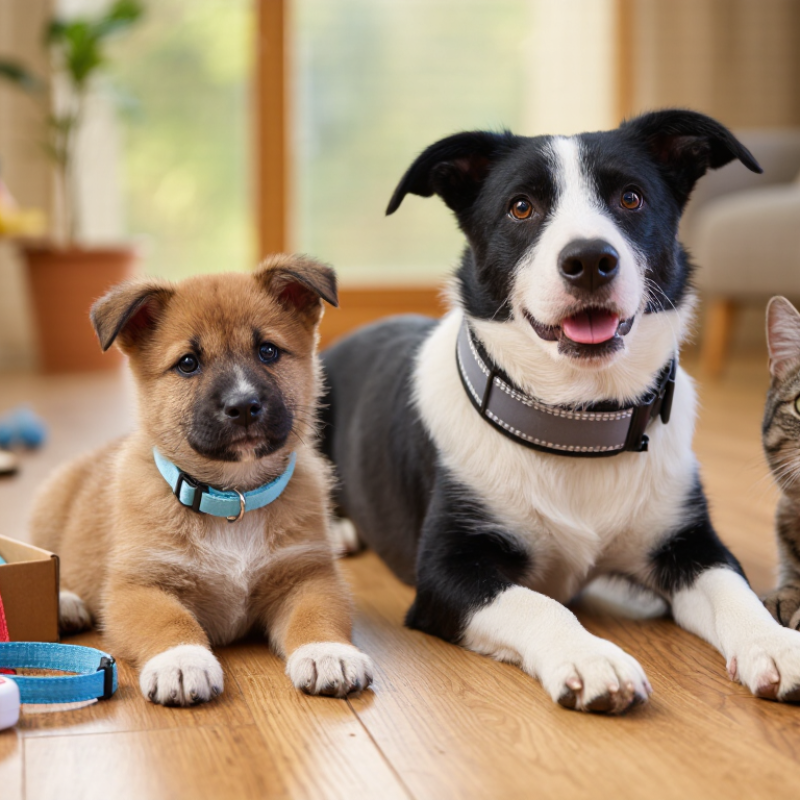
How to Choose the Right Collar for Your Pet?
Assess your pet’s needs before choosing a collar. A quiet indoor cat needs different support than an active hiking dog. Measure the neck with a soft tape, then leave room for two fingers. The collar should stay secure without pressing into the skin. Check the fit after running, swimming, or playing. Movement can change how it sits. I once chose a collar by appearance alone. It looked comfortable, but the clasp loosened during a walk. That mistake changed how I check daily equipment.
Consider your pet’s routine, coat, strength, and behavior. A reflective collar may improve visibility during evening walks. A lightweight design can suit a small pet better. Strong pullers may need professional advice about safer walking equipment. Veterinary professionals can also help pets with skin problems or neck sensitivity. For cats, a quick-release collar can reduce entanglement risks. Avoid collars that leave red marks, tangled fur, or repeated scratching. Inspect the stitching, buckle, and identification attachment each week. Replace damaged parts promptly. My own checks are not perfect, especially after muddy adventures. A phone reminder helps me remember them. Watch your pet closely during the first few hours. Changes in breathing, movement, or mood deserve attention.
| Pet Profile | Typical Daily Activities | Recommended Collar Type | Suggested Width | Useful Features | Key Fit and Safety Checks |
|---|---|---|---|---|---|
| Small dog Up to approximately 10 kg |
Short walks, indoor play, and light outdoor activity | Lightweight flat collar | About 1–1.5 cm | Soft lining, lightweight hardware, adjustable strap | Leave room for two fingers between the collar and neck. Avoid heavy tags or bulky attachments. |
| Medium dog Approximately 10–25 kg |
Regular neighborhood walks and moderate play | Adjustable flat collar with a secure buckle | About 1.5–2 cm | Abrasion-resistant webbing, reinforced leash ring, reflective stitching | Check that the buckle closes fully and the leash ring is securely stitched to the collar. |
| Large or strong dog Over approximately 25 kg |
Long walks, vigorous play, and frequent leash use | Wide, durable flat collar | About 2–3 cm | Strong stitching, corrosion-resistant hardware, padded inner surface | Inspect the collar and leash attachment regularly for fraying, stretched holes, or damaged hardware. |
| Short-nosed or neck-sensitive dog | Calm walks with a tendency to pull or cough | Comfort-focused collar or a properly fitted harness for leash walking | Choose a width that distributes pressure without restricting movement | Soft padding, smooth edges, low-profile buckle | Stop using the collar if it causes coughing, wheezing, rubbing, or difficulty breathing. |
| Outdoor or hiking dog | Hiking, running, wooded trails, and changing weather | Durable outdoor collar | About 1.5–2.5 cm, based on neck size | Quick-drying material, reflective details, secure identification tag attachment | Check for trapped moisture, plant debris, and skin irritation after every outdoor trip. |
| Water-loving dog | Swimming, beach visits, and frequent bathing | Water-resistant, quick-drying collar | Match the collar width to the dog’s neck and strength | Non-absorbent material, rust-resistant hardware, smooth surface | Rinse off salt, chlorine, or mud and dry the neck area to reduce skin irritation. |
| Escape-prone dog | Nervous walks, unfamiliar environments, or sudden movements | Securely fitted collar used with an appropriate walking system | Wide enough to remain stable without restricting the neck | Reliable adjustment points, sturdy buckle, visible identification information | Test the fit by gently checking whether the collar can slide over the head. Recheck the fit frequently. |
| Cat Indoor or outdoor access |
Climbing, jumping, exploring, and moving through narrow spaces | Breakaway safety collar | Usually about 1 cm | Breakaway release, lightweight design, reflective detail for outdoor visibility | The release mechanism should open under sufficient pressure, and the collar should not be tight or loose. |
Use a soft tape around the neck. Leave room for two fingers. It should feel secure, not tight.
Check it every few days. Recheck after grooming, bathing, swimming, exercise, or weight changes. Fit can shift.
Choose a lightweight, quick-release collar with clear identification. This design may reduce entanglement risks near furniture or branches.
Reflective details can improve visibility in dim streets. Check the collar under low light before walking.
Examine the stitching, buckle, leash ring, and identification attachment. Look for fraying, cracks, rust, or stretched holes.
Replace it when damage appears. Do not wait for complete failure. Small edge wear can become a larger problem.
Watch for red skin, bald patches, coughing, scratching, or reluctance to move. Remove it if irritation continues.
Swimming pets need quick-drying materials. Strong pullers may need professional advice about safer walking equipment. Tougher is not always safer.
Adjust it frequently as the neck changes. Check after meals, grooming, and energetic play. My checks are not perfect.
Seek advice for breathing problems, skin irritation, neck sensitivity, or unusual movement. A professional can assess fit more carefully.
Choosing the right collar for your pet starts with understanding their needs, temperament, size, and daily activities. Consider whether your pet spends most of the time indoors, enjoys outdoor walks, or participates in active adventures. Measure the neck carefully and ensure the collar fits securely without being too tight; you should be able to slide two fingers between the collar and your pet’s neck. The ideal collar should provide comfort, durability, and easy adjustment.
When deciding how to choose the right collar for my pet, compare different collar types, materials, closures, and useful features based on your pet’s lifestyle. Lightweight materials may suit smaller or sensitive pets, while stronger options can benefit energetic animals. Check that the collar has safe, reliable hardware and does not restrict breathing or movement. Inspect it regularly for damage, dirt, stretching, or loose parts, and recheck the fit as your pet grows or changes shape. A well-chosen and properly maintained collar supports everyday comfort and safety.

 Canna Pet Supplies