5 Common Causes of Skin Irritation from Pet Collars

Time:2026-02-25 Author:Ethan
0%

Pet collars are essential for pet safety, but they can sometimes lead to discomfort. Many pet owners wonder, "What causes skin irritation from pet collars?" Understanding these causes can help prevent unnecessary distress for your furry friends.

Skin irritation often stems from a variety of factors. First, allergens can hide in the collar material. Synthetic fibers may irritate sensitive skin. Additionally, friction from a collar that is too tight can lead to sores. Pets are prone to scratching, which sometimes worsens their condition.

Another common issue is moisture buildup under the collar. Pets who enjoy outdoor activities may sweat. This moisture can foster bacteria growth, resulting in infections. Moreover, the weight or bulk of certain collars can cause chafing. Paying attention to your pet’s comfort is crucial. Regular checks are necessary to avoid potential skin problems. Ultimately, finding the right collar requires careful consideration.
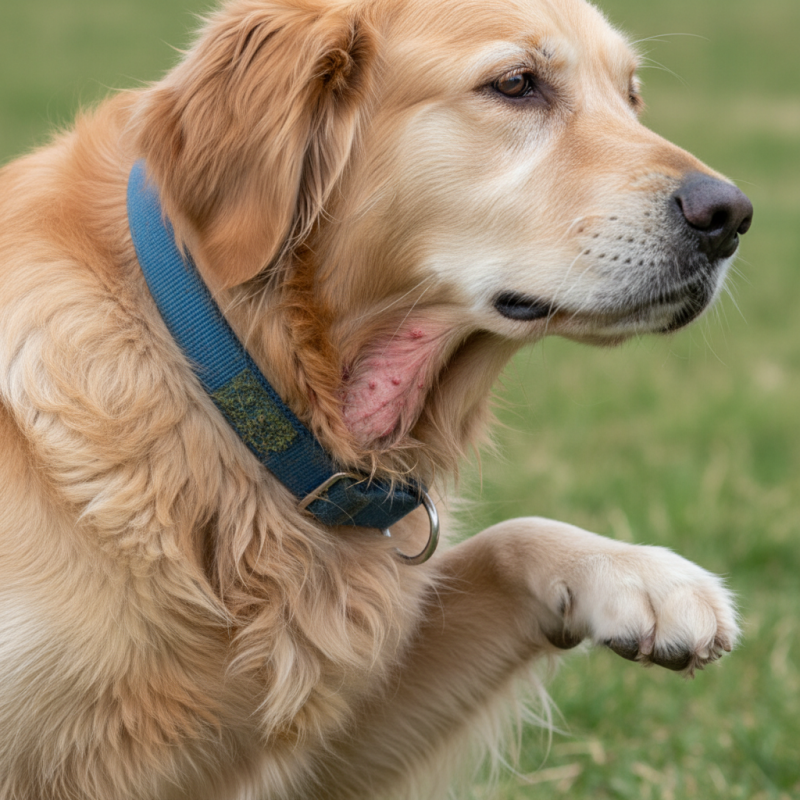
5 Common Causes of Skin Irritation from Pet Collars

Understanding Skin Irritation from Pet Collars: An Overview

Skin irritation from pet collars is a common issue for many pet owners. It can occur for various reasons, often causing discomfort for our furry friends. Understanding these causes can help in preventing future irritations. One common cause is friction from the collar material. This can especially be problematic for pets with sensitive skin.

Another factor is allergic reactions to the collar. Dogs and cats may react to the materials used. Silicone, nylon, or metal can trigger such responses, leading to redness and itching. Keeping an eye out for signs of irritation after introducing a new collar is important.

**Tips**: Regularly inspect the skin beneath the collar. If you notice redness or bumps, it might be time to change the collar. Choosing collars made from hypoallergenic materials can also help reduce the risk.

Improper fitting of the collar can also lead to irritation. A collar that is too tight can cause chafing. On the other hand, a loose collar can lead to tangles and additional friction. Always check the fit; it should be snug but not uncomfortable. Your pet's comfort should always come first. Adjustments may be necessary as they grow or change in weight.

Common Materials in Pet Collars That Cause Skin Reactions

Pet collars are essential for keeping our furry friends safe. However, certain materials can lead to skin irritation. Many collars are made from synthetic fabrics, which may not breathe well. This lack of air circulation can cause moisture buildup, leading to rashes or discomfort.

Another common material is nylon. While durable, nylon can irritate sensitive skin, especially if it rubs against fur. Some pets may have allergic reactions to the dyes used. It’s crucial to choose collars made from hypoallergenic materials when possible. Cotton is a safer choice, but it can wear out quickly.

Leather collars often offer a classic look. However, they can become stiff over time and cause friction. New leather can be particularly bothersome until it softens. Owners need to observe their pets closely for signs of irritation, regardless of collar type. Remember, comfort is key for your pet’s happiness.

How Collar Fit and Adjustment Impact Skin Irritation

When choosing a collar for your pet, proper fit and adjustment are critical to prevent skin irritation. A collar that is too tight can chafe the skin. Studies show that around 30% of pet owners report skin issues related to collar fit. The ideal collar should allow for a two-finger gap between the collar and the pet’s neck.

Regularly adjust the collar as your pet grows. Puppies, for instance, can grow quickly. An improperly adjusted collar can lead to irritation, which may lead to infection or discomfort. It’s vital to check for irritations regularly. Look for redness or bald patches.

Tip: Change the collar often. This practice can reduce skin irritation significantly. Consider using soft materials. Cotton or neoprene can be gentler on your pet’s skin. Always monitor how your pet reacts after changing the collar. A little observation goes a long way in keeping your pet comfortable.

5 Common Causes of Skin Irritation from Pet Collars

This chart represents the irritation severity caused by different factors related to pet collars. 'Poor Fit' and 'Long Wear Time' are significant contributors to skin irritation, while 'Improper Adjustment' has a relatively lower impact.

Signs and Symptoms of Skin Irritation in Pets from Collars

Pet collars can sometimes cause skin irritation, leading to discomfort for our furry companions. It's essential to recognize the signs and symptoms that may indicate irritation from these accessories. Common signs include redness, itching, and swelling around the collar area. If your pet is scratching incessantly, it could be a sign of irritation.

You might notice bald patches or flaky skin as well. In some cases, pets may even develop rashes or sores. These symptoms can manifest quickly, often after a new collar is introduced. Keep an eye out for changes in your pet's behavior. If they seem restless or uncomfortable while wearing their collar, take it seriously. The collar should be snug but not too tight; a poor fit can contribute to irritation.

Reflect on the materials used for collars. Some pets react negatively to certain fabrics or chemicals. Regularly check the collar for dirt or debris, as these can exacerbate skin issues. Noticing any problem sooner rather than later can lead to better outcomes for your pet's skin health.

Preventive Measures to Reduce Collar-Related Skin Irritation

Pet collars, while essential for safety and identification, can sometimes cause skin irritation. Over 30% of pet owners report their dogs experiencing some form of collar-related issue. Assessing the material and fit of the collar is crucial. Using collars made from harsh materials can lead to discomfort and irritation. Opt for softer, breathable fabrics to minimize the risk.

Regularly inspecting your pet’s collar is vital. Look for signs of wear and irritation. If you notice redness or rash, it’s time for a change. Experts suggest ensuring collars are not too tight; they should allow for two fingers to fit comfortably beneath. This simple adjustment can prevent chafing and irritation.

Maintaining a routine of cleaning the collar can also significantly reduce irritation. Many pet owners overlook this step, but debris and allergens can accumulate. A weekly wash can keep the collar fresh and minimize skin reactions. Sometimes, a break from the collar can be beneficial, allowing the skin to heal. Rethinking your approach to pet collars may lead to happier, healthier pets.

FAQS

: What is the main purpose of the article?

: The article aims to inform readers about essential concepts and strategies.

Who is the intended audience?

It targets individuals looking for practical knowledge and insights.

Are there specific strategies mentioned?

Yes, several strategies are outlined to improve understanding and application.

How detailed is the information provided?

The article offers concise information, but some concepts may require deeper reflection.

Can the strategies be applied universally?

Some strategies may work better in specific contexts; results can vary.

Is there an emphasis on self-reflection?

Yes, readers are encouraged to reflect on their understanding and implementation.

Are examples used to illustrate points?

Yes, practical examples help to clarify concepts discussed.

Is the information suitable for beginners?

The article is accessible, but some background knowledge is beneficial.

What are some limitations of the advice given?

Some strategies may not suit every situation; personal experiences matter.

How should readers approach the content?

Readers should critically engage with the material and consider their unique perspectives.

Conclusion

Understanding what causes skin irritation from pet collars is essential for pet owners to ensure their furry friends remain comfortable. Common materials used in pet collars, such as nylon or leather, can trigger allergic reactions or irritation. Additionally, the fit and adjustment of the collar play a significant role; a collar that is too tight can lead to chafing, while one that is too loose may rub uncomfortably against the skin.

Pet owners should be vigilant for signs and symptoms of skin irritation, including redness, itching, or hair loss around the collar area. To prevent these issues, it's important to regularly check the collar size, choose hypoallergenic materials, and ensure that collars are properly adjusted. By taking these preventive measures, pet owners can minimize the risk of skin irritation and keep their pets happy and healthy.

Ethan

Ethan

Ethan is a seasoned marketing professional with a deep expertise in our company's innovative product line. With a passion for sharing knowledge and insights, he takes the lead in regularly updating our corporate blog, where he explores industry trends, product features, and effective marketing......