How to Clean Pet Collars the Right Way?

Time:2026-02-24 Author:Madeline
0%

Cleaning pet collars is essential for maintaining your furry friend’s hygiene. Over time, collars can accumulate dirt, sweat, and odors. These factors can make your pet uncomfortable and may even lead to skin issues. Many pet owners wonder how to clean pet collars properly to ensure their pets stay healthy and happy.

When tackling this task, it’s important to pay attention to the materials of the collar. Some collars are machine washable, while others require hand washing. Failing to read the care instructions can lead to damaged collars. Always check for any visible stains or buildup before starting the cleaning process.

Some collars might hold onto odors, even after washing. If this happens, you may need to try different cleaning solutions. Choosing natural products can help eliminate lingering smells without harsh chemicals. Ultimately, understanding how to clean pet collars properly can improve your pet’s comfort and well-being.
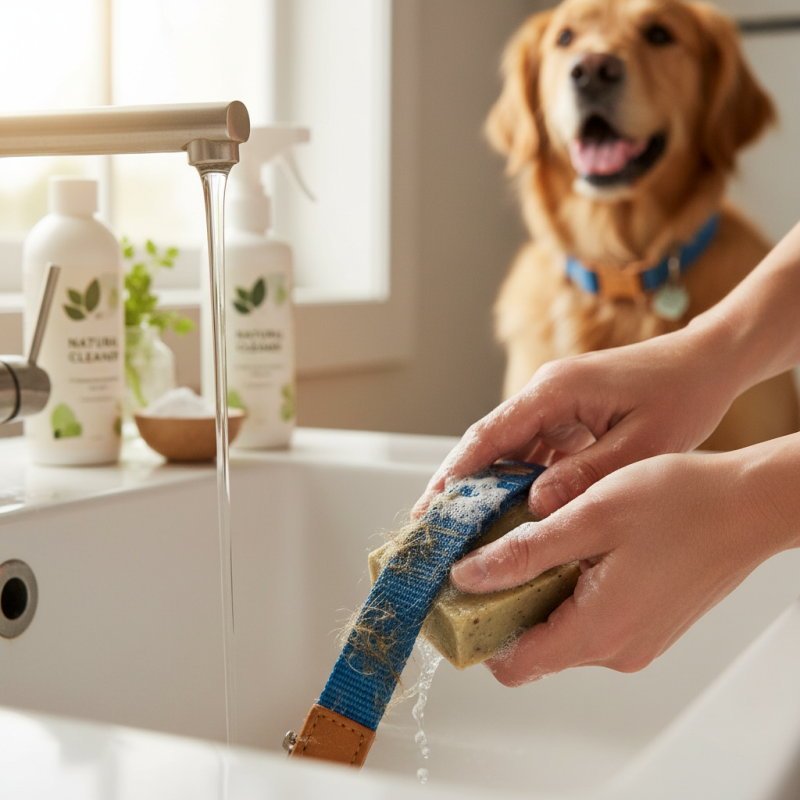
How to Clean Pet Collars the Right Way?

Importance of Regularly Cleaning Pet Collars to Prevent Infections

Keeping your pet's collar clean is essential for their health. A dirty collar can harbor bacteria and other harmful substances. Regular cleaning can help prevent skin infections. According to the American Veterinary Medical Association, skin infections are one of the leading issues for pet health. They can cause discomfort and serious health complications.

Pet collars collect dirt, oils, and allergens. When left uncleaned, these can irritate your pet’s skin. A study from the Journal of Veterinary Dermatology indicated that 30% of chronic skin conditions in dogs are related to environmental factors, including dirty collars. Regularly washing collars helps eliminate these risks.

Implementing a cleaning schedule is key. Aim to wash your pet's collar at least once a month. Use mild soap and water for effective cleaning. After washing, thoroughly rinse and dry the collar to prevent moisture buildup. Remember, a simple step can lead to a healthier pet.

Common Materials Used in Pet Collars and Their Specific Cleaning Needs

Pet collars come in various materials, each requiring specific cleaning methods. For example, nylon collars are popular due to their durability. They often attract dirt and odors. Cleaning them is simple. Use warm water and mild soap. Scrub with a soft brush to get into the grooves. Rinse well and air dry. But avoid direct sunlight to prevent fading.

Leather collars are another common choice. They are stylish but need extra care. Wipe them with a damp cloth to remove dirt. For deeper cleaning, use a leather cleaner. Too much water can damage the leather. Be careful not to soak them. Some collars have embellishments. They may require specialized cleaning to avoid damage.

Lastly, there are fabric collars. They can be machine washed but check the label first. Some materials might shrink. Consider using a laundry bag. This prevents snagging during the wash. It is good to inspect them regularly for wear. It’s easy to overlook, but a damaged collar can pose risks. Each type of collar has its quirks. Understanding these can make a big difference in maintaining them.

Effective Cleaning Solutions: Natural vs. Commercial Products

Cleaning pet collars is essential for your furry friends' hygiene. The choice of cleaning solutions plays a critical role in this process. Many pet owners consider natural versus commercial products. Natural solutions, like vinegar and baking soda, can be effective and gentle. They avoid harsh chemicals that might harm pets or irritate their skin.

According to a recent survey, nearly 70% of pet owners prefer natural cleaning solutions. However, the effectiveness of these products can vary. For example, while vinegar can neutralize odors, it may not eliminate heavy stains. Commercial products, on the other hand, often promise quick results. A study published in the “Journal of Environmental Health” noted that some commercial cleaners can be extremely effective, boasting removal rates of over 90% for organic stains.

Many pet owners struggle with the balance between effectiveness and safety. Some commercial cleaners contain allergens or irritants. Over 30% of pet owners reported adverse reactions from these products. It’s crucial to read labels carefully. Consider the specific needs of your pet. Always test any product on a small area first. This mindful approach ensures a clean collar without risking your pet's health.

How to Clean Pet Collars the Right Way? - Effective Cleaning Solutions: Natural vs. Commercial Products

Cleaning Method Type Effectiveness Ingredients Time Required
Hand Wash Natural High Water, Mild Soap 15-20 minutes
Machine Wash Natural High Water, Laundry Detergent 30-40 minutes
Vinegar Solution Natural Medium Vinegar, Water 10 minutes
Commercial Cleaner Commercial High Chemicals, Surfactants 5-10 minutes
Baking Soda Paste Natural High Baking Soda, Water 20 minutes

Step-by-Step Guide to Safely Washing Different Types of Pet Collars

Cleaning pet collars might not seem urgent. However, neglect can lead to bacteria accumulation. A study from the American Veterinary Medical Association found that over 60% of pet owners rarely clean their pet's collars. This oversight can cause skin irritations and infections for your furry friend.

When washing different types of collars, material matters. For nylon and fabric collars, a machine wash in cold water works well. Use a gentle detergent. After washing, air drying is best to prevent shrinking. For leather collars, a damp cloth and a leather conditioner are necessary. Avoid soaking leather, as it can lose its shape.

Don’t ignore the buckle and tags. Use an old toothbrush to scrub these parts. They can trap dirt despite regular washing. Consider a deep clean every month, especially for active pets. Keeping your pet's collar clean is crucial for their health. It’s often overlooked but worth reflecting on for a happier, healthier pet.

Best Practices for Drying and Storing Clean Pet Collars to Enhance Longevity

After cleaning your pet collars, proper drying and storage are crucial. Hang the collars in a well-ventilated area. This helps prevent odors and mildew. Avoid direct sunlight, as it can cause fading. Instead, an indoor spot away from heat sources works best.

Storing your collars in a cool, dry place is vital. A breathable bag or container keeps them safe from dust and pests. Remember to check the collars regularly for wear and tear. Some might need repairs before the next use. Regularly inspecting them extends their life.

It’s easy to forget about proper care. Sometimes, we toss the collars in a drawer without much thought. This neglect can lead to unnecessary deterioration. Take a moment to reflect on your storage habits. Enhancing the longevity of pet collars requires consistent effort and attention.

Pet Collar Cleaning Practices

This chart illustrates the percentage of pet owners who practice different cleaning methods for their pet collars, including washing frequency, drying methods, and storage conditions. Proper maintenance enhances the longevity of pet collars.

FAQS

: What types of products are typically sold online?

: Various products like clothing, electronics, and home goods are available online. Each category has unique features.

How does online shopping impact local businesses?

Online shopping can hurt local stores. They may struggle to compete with lower prices and convenience.

Are there risks when shopping online?

Yes, there are risks. Buyers might face fraud, misrepresentation, or receive damaged goods.

How can consumers ensure secure transactions?

Using secure websites, checking reviews, and avoiding suspicious links can help ensure safe transactions.

What should customers do if their order is wrong?

Contact customer service immediately. Keep all evidence, like emails and receipts, for reference.

Is it okay to return items after purchase?

Most shops allow returns, but policies vary. Always check the return policy before buying.

How do shipping costs affect online shopping?

High shipping fees can deter purchases. Customers may choose free shipping options when available.

What influences customer reviews?

Customer experiences, product quality, and service can influence reviews. Not all reviews may be honest.

Can returns be complicated?

Yes, they often can be. Some customers find the process unclear. Others face delays.

How often do online prices change?

Prices can fluctuate frequently. Customers should compare prices regularly to find the best deals.

Conclusion

Cleaning pet collars is essential for maintaining your pet's hygiene and preventing infections. Regularly cleaning pet collars helps eliminate bacteria and odor, ensuring your furry friend stays healthy. To understand how to clean pet collars properly, it's important to recognize the different materials used in collars, such as nylon, leather, or fabric, each requiring specific cleaning methods.

Using effective cleaning solutions, whether natural or commercial, can make a significant difference. A step-by-step guide to safely washing each type of collar will help pet owners take the right approach. Additionally, following best practices for drying and storing collars will enhance their longevity, ensuring they remain in good condition for future use. By implementing these cleaning techniques, pet owners can ensure their collars are clean and safe for everyday wear.

Madeline

Madeline

Madeline is a dedicated marketing professional with a wealth of expertise in our company's core offerings. With a keen understanding of the industry, she brings a unique perspective to her role, consistently delivering high-quality content that highlights the superior aspects of our products. As......