Why Is a Pet Collar Safe to Wear?

Time:2026-10-21 Author:Amelia
0%

A pet collar looks simple, yet it rests against sensitive skin every day. Its safety depends on fit, design, material, and regular human attention. A collar that feels comfortable indoors may become dangerous during outdoor play, scratching, or sudden pulling. This guide examines why a pet collar can be safe to wear and when it may create avoidable risks.

How to make a pet collar safe to wear begins with accurate measurement. You should fit two fingers between the collar and your pet’s neck. The collar should stay secure without pressing into the skin. Watch for redness, hair loss, swelling, coughing, or repeated scratching. These signs deserve attention, even if the collar appears correctly adjusted. Puppies and kittens need frequent checks because their bodies change quickly. A veterinarian or qualified pet-care professional can help with unusual neck shapes, skin conditions, or mobility concerns.

Material choice also matters. Smooth, lightweight fabric may suit many pets, while some animals react to dyes, coatings, or rough edges. Reflective details can improve visibility, but they do not replace supervision. For cats, a properly designed breakaway collar may reduce entanglement risks. For dogs, the safest option depends on breed, behavior, walking equipment, and training. Inspect buckles, stitching, and identification tags often. Small faults can become serious during a sudden escape. No collar is perfect. I have learned that careful observation matters more than trusting a product label. Safe use is an ongoing habit, not a one-time purchase.
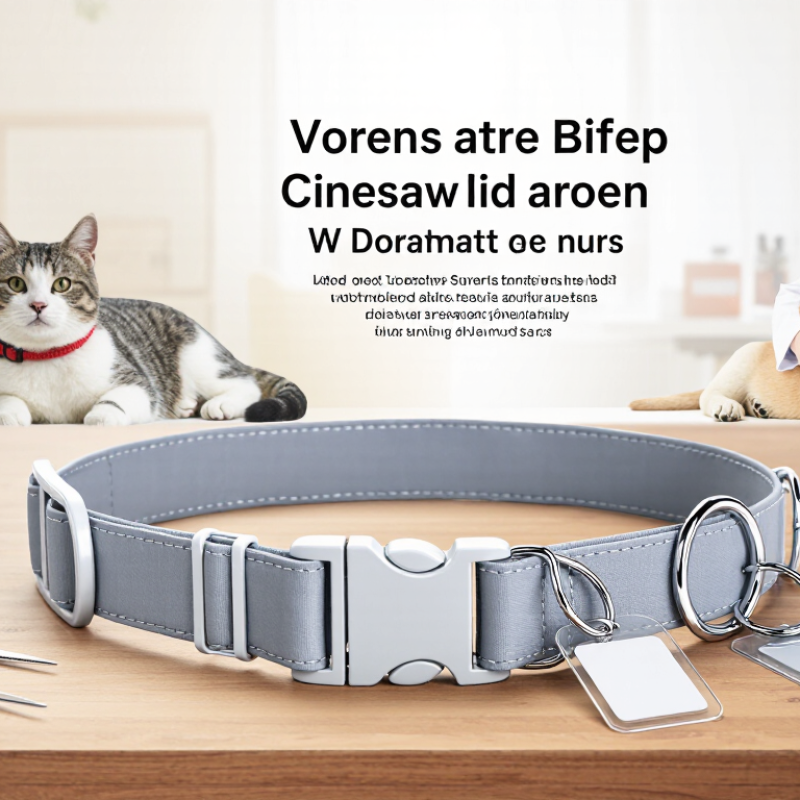
Why Is a Pet Collar Safe to Wear?

Define Collar Safety Through Fit, Strength, Release, and Material Criteria

Why Is a Pet Collar Safe to Wear?

A pet collar is safe when its fit, strength, release system, and material suit the animal. Fit comes first. The collar should sit securely without pressing into the throat. A practical check allows two fingers between the collar and the neck. It should not slide over the head during normal movement. Puppies and kittens need frequent checks because their bodies change quickly. Thick fur can make a loose collar look tight.

Strength matters, but stronger is not always safer. Inspect stitching, seams, rings, and buckle parts for cracks or bending. A gentle hand-pull can reveal weak construction. Never test a collar by jerking an animal. For cats, a breakaway design may reduce entanglement risks. It should release under suitable pressure, yet remain closed during ordinary play. Dogs may need different release features, depending on size, behavior, and activity.

Material affects comfort and skin health. Smooth surfaces help prevent rubbing around the neck, especially after rain or exercise. Look for rough edges, trapped dirt, fading, or a chemical smell. Wash the collar according to its care instructions, then dry it fully. Some animals react to certain materials. A veterinarian or qualified animal-care professional can help assess repeated redness or hair loss. The two-finger rule is useful, but imperfect. Recheck after grooming, weight changes, and growth. A collar can fit well today and become restrictive surprisingly soon.

Why Is a Pet Collar Safe to Wear?

Defining collar safety through fit, strength, release, and material criteria

The chart presents a practical four-part safety framework. A safe collar should allow approximately two fingers of space between the collar and the neck, remain intact without fraying or damaged hardware, provide a suitable breakaway or quick-release function where appropriate, and use smooth, non-toxic, skin-compatible materials. These criteria are guidance for routine evaluation, not a substitute for product-specific testing or veterinary advice.

Apply the Veterinary Two-Finger Rule: Maintain 1–2 cm of Neck Clearance

Why Is a Pet Collar Safe to Wear?

Apply the Veterinary Two-Finger Rule: Maintain 1–2 cm of Neck Clearance

A properly fitted collar should feel secure, never restrictive. Slide two adult fingers flat between the collar and your pet’s neck. This space usually provides about 1–2 cm of clearance. The collar should not rotate freely over the head. It should also allow normal breathing, swallowing, and movement.

Check the fit while your pet stands naturally. Fur can hide pressure, especially around the throat and behind the ears. Look for redness, bald patches, damp skin, or repeated scratching. These signs may indicate rubbing or excessive tightness. Observe your pet walking, turning, and resting. A collar that seems comfortable while standing may press against the neck during movement.

Fit changes over time. Young pets grow quickly, and thick winter coats can alter the measurement. Recheck the collar every few days during growth, then at least weekly. I once assumed a collar was loose enough because I could insert two fingers, but the fingers were angled and the collar still pressed unevenly. That mistake changed my routine. I now check from several positions and remove the collar during supervised grooming. For cats and pets that may catch the collar, a safety-release design can reduce entanglement risk, but it still needs correct adjustment.

Choose Cat Breakaway Collars with Typical 2–7 kg Release-Force Ratings

Why Is a Pet Collar Safe to Wear?

Choose Cat Breakaway Collars with Typical 2–7 kg Release-Force Ratings

A pet collar is safe only when it matches the cat’s size, habits, and surroundings. Breakaway collars are designed to open when pulled with enough force, helping reduce entanglement risks. Many cat collars use release-force ratings between 2 and 7 kg. This rating describes the force needed to open the clasp, not the cat’s body weight. A small, active cat may still need a carefully tested setting.

Tips: Measure the cat’s neck with two fingers beneath the tape. The collar should feel secure, never tight. Check the buckle, stitching, and adjustment points each week. Test the release gently before outdoor use. Replace the collar if plastic becomes brittle or the fabric frays.

A higher release force may resist accidental opening, but it could delay release during a struggle. A lower rating may open too easily during climbing or play. The right choice depends on the cat’s behavior and collar fit. There is no perfect number. I would not rely on the rating alone. Observe how the collar behaves around furniture, carriers, and scratching posts. Consult a veterinarian or follow documented product-testing guidance when uncertainty remains. A collar should carry identification, yet safety must come before convenience.

Match Dog Collar Hardware to Published Tensile and Weight-Capacity Data

Why Is a Pet Collar Safe to Wear?

A pet collar is safe only when its hardware matches published tensile and weight-capacity data. A visual inspection is not enough. Buckles, D-rings, stitches, and adjustment slides can fail differently under pulling, twisting, or repeated loading. ASTM D638 evaluates tensile strength in plastics, while ASTM D412 covers elastomeric materials. Metal hardware may be assessed using methods described in ASTM A370. These tests provide useful material evidence, but they do not automatically certify a complete collar.

Look for a test report stating peak tensile load, working load, sample size, and failure location. For a 20-kilogram dog, static body weight equals about 196 newtons. Movement can create several times that force, especially during a sudden leash stop. A conservative screening calculation might examine 600 newtons or more, but this is an engineering assumption, not a universal pet-collar standard. The report should also explain whether the load applied to the buckle, ring, or stitched connection. One impressive metal rating can hide a weak seam.

Published results should be read beside real use conditions. Saltwater, chewing, ultraviolet exposure, and repeated bending may reduce capacity over time. The U.S. Consumer Product Safety Commission recall database shows why failure records deserve attention, although it does not provide a universal collar rating. I would reject any product listing only “strong” or “heavy duty.” That language is vague. A better choice includes traceable laboratory data and a stated working limit below the tested breaking load. Even then, fit remains imperfect; a strong collar can still slip from an incorrectly adjusted neck.

Inspect for Skin Damage, Breathing Restriction, Fraying, and Entanglement

A pet collar is safe only when it fits the animal’s body and daily habits. I check the neck after outdoor walks, especially beneath the buckle and along the throat. Redness, bald patches, swelling, or small scabs can signal rubbing. Remove the collar and inspect the skin closely. A collar should feel secure, not tight. Two fingers should slide beneath it without force, although this test is not perfect for every neck shape.

Breathing changes deserve immediate attention. Watch for coughing, gagging, noisy breathing, or repeated scratching at the collar. These signs may appear after running, when the neck expands and the collar presses harder. Cats and small dogs can be especially difficult to assess. Their silence does not always mean comfort. A relaxed posture and normal breathing are better signs than simply leaving the collar on.

Examine the collar each week for loose stitching, cracked hardware, and frayed edges. Damaged material can break suddenly or irritate the skin. Entanglement is another serious risk. The collar may catch on branches, crate wires, fences, or another pet’s jaw. Quick-release designs can reduce some risks, but they are not foolproof.

I once overlooked a slightly twisted strap because it looked harmless. That small mistake changed how carefully I inspect every buckle and seam. Replace the collar when wear appears, even if it still seems usable. Supervising new wearers helps reveal problems early.

FAQS

What makes a pet collar safer to use?

Safer collars have hardware supported by published tensile and weight-capacity data. Visual appearance alone proves little.

What information should a collar test report include?

Look for peak tensile load, working load, sample size, and the exact failure location. Details matter.

How much force might a 20-kilogram dog create?

Its static body weight equals about 196 newtons. A sudden leash stop may create several times that force.

Is 600 newtons a universal safety requirement?

No. It is only a conservative screening assumption for some evaluations. Real forces vary with movement and equipment.

Can strong metal hardware guarantee collar safety?

No. A strong ring may hide weak stitching or a fragile buckle. The entire collar needs evaluation.

How should the collar fit around a pet’s neck?

Two fingers should slide underneath without force. The collar should feel secure, never tight. This test is imperfect.

What skin and breathing problems require attention?

Check for redness, bald patches, swelling, scabs, coughing, gagging, or noisy breathing. Remove the collar when problems appear.

How often should a collar be inspected?

Inspect it weekly for loose stitching, cracked hardware, frayed edges, and twisted straps. Watch closely.

What situations can cause collar entanglement?

Collars may catch on branches, crate wires, fences, or another pet’s jaw. Quick-release features reduce some risks, but they are not foolproof.

When should a worn collar be replaced?

Replace it when damage appears, even if it still seems usable. I once ignored a twisted strap. I should not have.

Conclusion

How to make a pet collar safe to wear begins with choosing the right fit, strength, release function, and material. A properly fitted collar should leave about 1–2 cm of space around the neck, following the veterinary two-finger rule: it should be secure without pressing into the skin or restricting breathing. For cats, a breakaway collar is generally safer because it can release under pressure; many designs use release-force ratings of approximately 2–7 kg. For dogs, select hardware that matches the animal’s size, activity level, and the manufacturer’s published tensile strength and weight capacity.

Safety also depends on regular checks. Look for redness, hair loss, rubbing, swelling, or signs of breathing discomfort, and examine the collar for fraying, cracked components, loose stitching, or weakened fasteners. Remove or adjust it if it can catch on objects, become entangled, or slip over the head. Reassessing the fit as the pet grows or gains weight helps maintain comfort and reliable protection.

Amelia

Amelia

Amelia is a seasoned marketing professional with a wealth of expertise in our company’s core offerings. With an unwavering passion for driving growth and innovation, she plays a pivotal role in shaping our marketing strategies and enhancing brand visibility. A key aspect of her responsibilities......