Outdoor adventures can enrich a pet’s life, but unfamiliar places create real risks. A dog may pull toward traffic, slip on wet rocks, or disappear behind dense bushes. A cat exploring a garden may face sharp branches, cold ground, or poor visibility after sunset. Outdoor safety gear helps reduce these dangers through practical protection and better control.
Why do pets need outdoor safety gear? The answer depends on the animal, environment, and activity. A well-fitted harness can distribute pressure across a dog’s chest. A reflective vest can make a small pet easier to notice near roads. Paw protection may help during hikes over hot pavement, ice, or rough gravel. Identification tags and secure carriers also support safer travel, especially when pets become frightened.
Good equipment should fit comfortably, match the weather, and suit the pet’s behavior. Veterinarians, trainers, and experienced owners often recommend gradual introduction. Letting a pet sniff a new harness can prevent fear. Short practice sessions work better than forcing immediate use. Still, gear is not a guarantee. Poor sizing can cause rubbing, escape, or restricted movement. I have seen owners focus on attractive designs while overlooking buckles and stitching. That mistake is easy to make. Regular checks matter, too. Before leaving, inspect the straps, clips, reflective panels, and identification details. Responsible preparation combines reliable equipment, close supervision, and honest awareness of each pet’s limits. Sometimes, the safest choice is turning back early.
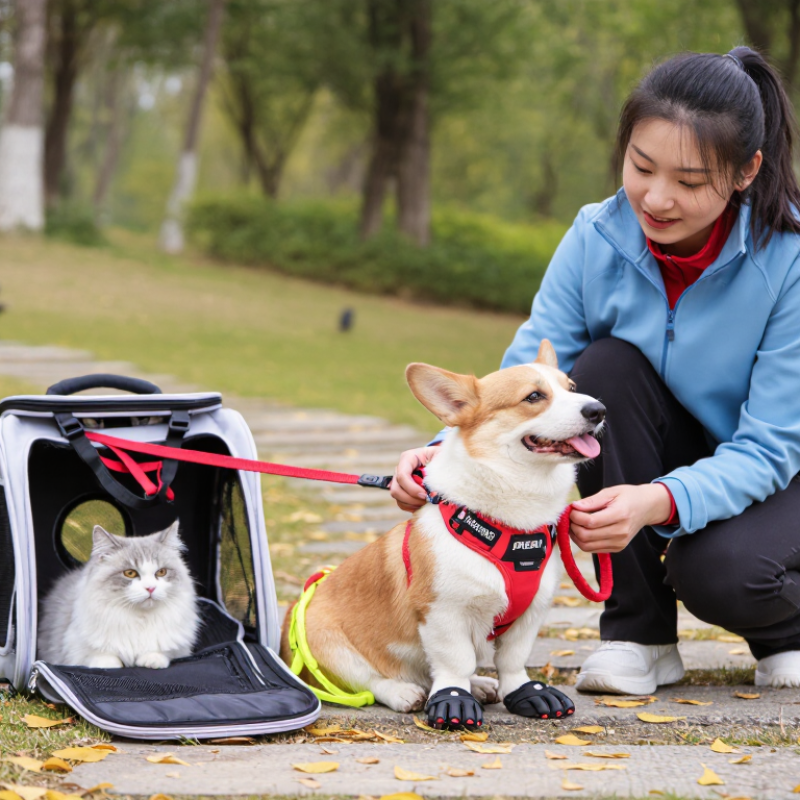
Outdoor safety gear for pets means equipment designed to reduce preventable risks during walks, hikes, travel, and outdoor play. It includes fitted harnesses, secure leads, reflective panels, identification tags, flotation devices, protective boots, cooling items, and basic first-aid supplies. The scope is wider than clothing. It covers visibility, control, comfort, weather protection, and emergency preparation.
In practice, each item should match the pet, activity, and environment. A reflective vest can help drivers notice a dark-coated dog near a road. A well-fitted harness may reduce pressure on the neck during a steep trail. Boots can protect paws from sharp stones or hot ground, but some pets need time to accept them. Check the fit with two fingers of space. Loose equipment can slip, while tight equipment may rub the skin.
I learned this through trial and error. My first outdoor kit was too heavy for a small dog, and the spare lead stayed unused in a drawer. That assumption was too simple. Gear is useful only when pets tolerate it and owners inspect it regularly. Look for broken clips, worn stitching, damp fabric, and missing identification details. Safety gear cannot replace supervision, training, or weather judgment. A flotation device does not make every pet a confident swimmer. A cooling vest may also fail in extreme heat. Veterinary guidance is sensible for older pets, anxious animals, or those with breathing problems.
Match the harness to your pet’s chest, weight, coat, and body shape. Leave space for two fingers beneath each strap. A secure harness reduces neck pressure on steep paths. Too loose can allow escape. Too tight can restrict breathing. Fit beats appearance.
Reflective strips or panels help others notice pets during low light. They work well near roads, wooded paths, and campsite entrances. Keep reflective surfaces clean. A covered collar light can improve visibility around tents. Visibility still depends on careful supervision.
Paw boots can protect against sharp stones, hot pavement, and icy surfaces. Introduce one boot indoors for a few minutes. Watch for rubbing, trapped moisture, or an unusual gait. Some pets need more practice than expected. Do not force a panicked pet.
Choose a properly sized life jacket with chest support and strong handles. Bright coloring makes the pet easier to see. Even confident swimmers may become tired or disoriented. Moving water changes everything. Stay close and monitor breathing.
A lightweight sleeping mat keeps the pet away from cold ground. A long line provides controlled freedom in suitable areas. A covered light improves visibility around tents. Check straps after rain, mud, or moisture. Wet gear can loosen.
An insulated coat may help short-haired, elderly, or underweight pets. Cooling gear can help during hot weather. It cannot replace shade, water, or shorter outings. Watch breathing, movement, and energy levels. Many owners overestimate endurance.
Extra caution is necessary, even with a hands-free leash. A pet may suddenly stop, pull, or change direction. That movement can cause a fall. Choose routes carefully and watch the animal constantly. I would not assume control is perfect.
Rinse away salt, mud, and grit after outdoor use. Dry fabric completely before storing it. Replace gear when straps stretch, seams separate, or clips crack. Small frays can worsen quickly. I once trusted strong-looking stitching. That was a mistake. Recheck fit after grooming, weight changes, or injury recovery.
Outdoor safety gear for pets includes equipment designed to protect animals during walks, hikes, camping trips, travel, swimming, and other activities outside the home. Why do pets need outdoor safety gear? Because unfamiliar environments may expose them to traffic, rough ground, changing weather, water hazards, insects, poor visibility, or accidental separation. Depending on the activity, useful equipment may include secure harnesses, leashes, reflective accessories, protective clothing, paw protection, life jackets, travel restraints, and identification accessories.
The right gear should match a pet’s size, body shape, age, health, behavior, and activity level. Proper fitting is essential: equipment should be secure without restricting breathing, movement, or circulation. Owners should introduce new items gradually, supervise their use, and check for signs of discomfort, overheating, or stress. Regular cleaning helps maintain hygiene and performance, while damaged, worn, or poorly fitting equipment should be repaired or replaced promptly. With thoughtful selection and care, outdoor safety equipment can help pets explore more comfortably while reducing preventable risks.

 Canna Pet Supplies