Top 10 Pet Collar Types What Size Collar Does My Pet Need?

Time:2026-10-11 Author:Isabella
0%

Choosing the right collar begins with one practical question: What size collar does my pet need? The answer depends on neck measurement, species, age, coat thickness, and the collar’s design. A narrow flat collar may suit a small cat, while a padded martingale collar may better support a sighthound’s slim neck. Puppies and kittens need frequent checks because their bodies change quickly.

Dr. Jerry Klein, Chief Veterinary Officer of the American Kennel Club, offers a useful fitting rule: “You should be able to fit two fingers comfortably between your dog’s neck and collar.” That simple test helps prevent choking, rubbing, and accidental slipping. Still, it is not a complete solution. A nervous dog may pull backward, and a fluffy coat can hide a collar that feels too tight. Measure the bare neck when possible, then check the fit while your pet moves, rests, and turns its head.

Comfort matters.

This guide examines ten common pet collar types, including flat, breakaway, adjustable, padded, martingale, GPS, identification, recovery, training, and reflective collars. Each design serves a different purpose, and some may not suit every animal. A reflective collar can improve visibility during an evening walk, but it cannot replace supervision. A breakaway collar may protect a cat outdoors, yet it can release when an identification tag is urgently needed.

Good fitting is a process, not a one-time decision. Recheck the collar after grooming, weight changes, or several weeks of wear. Small details matter.
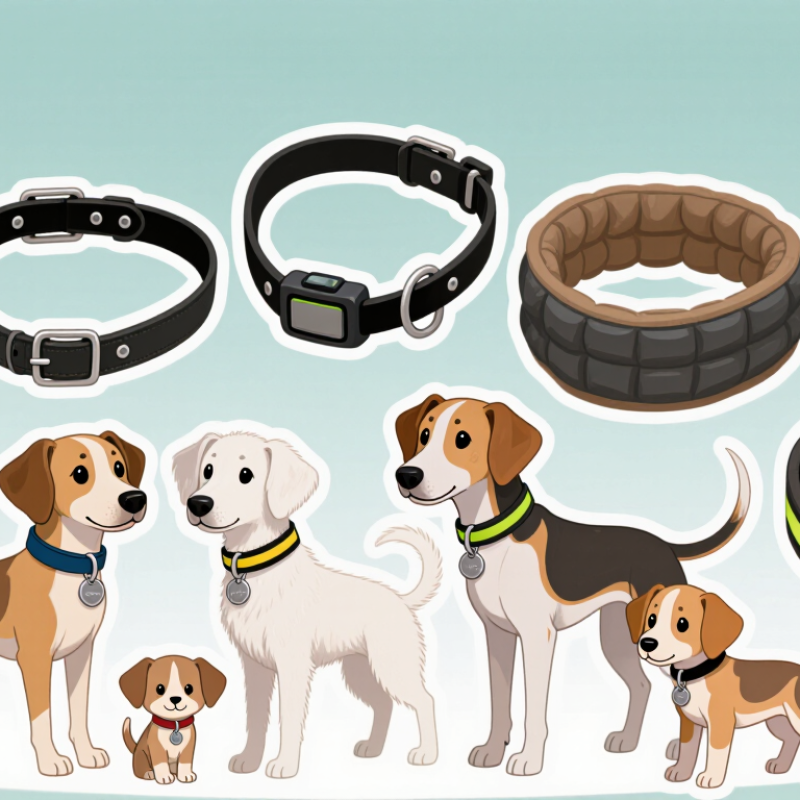
Top 10 Pet Collar Types What Size Collar Does My Pet Need?

Pet Collar Basics: Functions, Materials, and Safety Features

A pet collar is more than decoration. It can hold identification, guide a leash, or support safe nighttime visibility. Common choices include flat, breakaway, martingale, reflective, waterproof, padded, and training collars. Each serves a different situation. Function should come before appearance.

Fit begins with a simple check: slide two fingers between the collar and your pet’s neck. It should feel secure, never tight. Measure the neck with a soft tape while your pet stands naturally. Recheck growing puppies and kittens every few weeks. I once trusted an old measurement for too long. That shortcut caused rubbing, so I now inspect the skin after every active walk. Short fur can hide irritation. Watch for redness, hair loss, or repeated scratching.

Material affects comfort and durability. Soft nylon is light and easy to clean. Leather may soften with use but needs careful drying. Waterproof materials suit muddy, wet routines. Metal parts should be smooth, firmly attached, and free from sharp edges. A breakaway clasp can reduce entanglement risk indoors, but it may release during leash walks. Reflective stitching improves visibility in low light; it does not replace supervision. Cats need an appropriate safety-release collar. Dogs need collars matched to neck shape, strength, and behavior. Professional animal-care advice helps when breathing, skin, or escape concerns appear. Collar choice is not perfectly predictable. Pets change, and equipment wears out.

Top 10 Pet Collar Types: What Size Collar Does My Pet Need?

Pet Collar Basics: Functions, Materials, and Safety Features

This chart compares common collar designs using three typical features: adjustable fit, a release or breakaway mechanism, and a visibility aid. A value of 1 means the feature is commonly associated with that collar type; optional accessories are not counted.

To choose a size, measure the pet’s neck with a soft tape measure and leave room for two fingers between the collar and the neck. The collar should be secure without restricting breathing, swallowing, or normal movement. Always check the manufacturer’s specific size range because measurements vary by design and material.

Ten Common Pet Collar Types and Their Best Uses

Top 10 Pet Collar Types: What Size Collar Does My Pet Need?

Ten Common Pet Collar Types and Their Best Uses

Choosing a collar starts with your pet’s daily routine, neck shape, and safety needs. A flat buckle collar suits most dogs and cats. A quick-release collar helps owners remove it quickly. Breakaway collars are designed for cats that may climb or catch their collars. Martingale collars can help narrow-headed dogs stay secure, but they require careful fitting. Reflective collars improve visibility during evening walks. LED collars add light for darker paths. Waterproof collars work well for swimmers and rainy climates. GPS-compatible collars may help track adventurous pets. Personalized ID collars display important contact details. Flea and tick collars should be selected with veterinary advice.

Measure the neck with a soft tape, then add space for two fingers. The collar should not slide over the head unless it is designed to do so. For puppies, check the fit every few days because growth can be surprisingly quick. Small pets need lightweight materials, while strong pullers may need wider, sturdier designs. A heavy collar can strain a small dog’s neck.

I once assumed a snug collar was safer. It was not. Regularly inspect the skin for redness, hair loss, or pressure marks. Replace damaged buckles and worn stitching immediately. Fit matters more than appearance.

How to Measure Your Pet for the Correct Collar Size

Choosing among the top 10 pet collar types starts with accurate sizing. A collar should fit securely without pressing into your pet’s skin. Measure the neck where the collar naturally rests. Use a soft measuring tape, not a rigid ruler. Keep the tape flat and snug. Do not pull it tight.

For dogs, measure near the base of the neck, especially if the neck widens toward the shoulders. For cats, measure behind the ears, where a collar usually sits. Add enough room for two adult fingers. Smaller fingers can underestimate the space. A common mistake is measuring thick fur instead of the neck itself. Part the fur gently and measure closer to the skin.

Check the collar type before choosing a size. A wide training collar may feel tighter than a lightweight everyday collar. A breakaway collar should release under appropriate pressure, but it must not slide over your pet’s head. Puppies and kittens need frequent checks because their bodies change quickly. Recheck the fit every few weeks. Watch for red marks, hair loss, or repeated scratching. These signs may indicate pressure, rough material, or an incorrect size. I would not rely on the package range alone; pets with similar neck measurements can have very different head shapes and fur thickness.

Choosing a Collar by Species, Breed, and Lifestyle

Top 10 Pet Collar Types: What Size Collar Does My Pet Need?

Choosing a collar starts with species, breed, neck shape, and daily habits. A slim cat may need a lightweight breakaway collar. This design can release during an emergency. Small dogs often suit soft flat collars with narrow buckles. Broad-chested breeds may need wider support and stronger stitching. Greyhounds and similar breeds usually need martingale collars because their heads can be narrower than their necks. Rolled collars can reduce tangling on some long-haired pets. Waterproof and reflective collars help active dogs outdoors. I have found that comfort matters more than appearance. A beautiful collar can still rub behind the ears.

Measure the neck with a flexible tape, not your eye. Keep two fingers between the collar and the skin. For puppies, check the fit weekly because growth can be surprisingly fast. Breed guidelines are useful, but individual bodies vary. A stocky terrier and a delicate terrier may need different sizes. Cats, rabbits, and other small animals require lighter materials and careful supervision. Some pets dislike tags, buckles, or rough edges at first. Their reaction is information, not stubbornness.

Tips:

Measure at the position where the collar will sit. Check for redness, hair loss, or damp skin. Replace damaged stitching immediately. Let your pet wear a new collar indoors first. Recheck the fit after exercise, grooming, or weight changes. I sometimes overestimate durability; even strong collars need regular inspection.

How to Fit, Adjust, and Replace a Pet Collar Safely

A safe collar begins with an accurate neck measurement. Wrap a soft tape around the neck, leaving room for two fingers. The tape should touch the fur without pressing into the skin. I once tightened a collar too much, thinking it would prevent slipping. That habit was wrong.

After fastening the collar, slide two fingers underneath and gently rotate it. It should stay in place without rubbing, choking, or hanging loosely. Check beneath the jaw and behind the ears for red marks, damp fur, or missing hair. Adjust the buckle after grooming, bathing, or seasonal coat changes. Puppies and growing pets need frequent measurements.

Use the collar’s strongest ring for leash attachment, and inspect the buckle before every walk. A collar with torn stitching, stretched material, cracked plastic, or a weak clasp needs replacement. Do not wait for failure. For cats, a quick-release design can reduce snagging risks, but it still needs a correct fit. Remove decorative parts that may catch on branches or furniture. Never assume a collar is safe because it looks clean. Small damage can hide inside the stitching.

FAQS

Where should I measure my pet’s neck?

Measure where the collar naturally rests. For dogs, check near the neck base. For cats, measure behind the ears.

What tool should I use for measuring?

Use a soft measuring tape. Keep it flat and snug, but never pull it tight. A rigid ruler can give poor results.

How much space should a collar allow?

Leave room for two adult fingers under the collar. Smaller fingers may underestimate the needed space.

Should I measure over thick fur?

Gently part the fur and measure closer to the skin. Thick fur can make the collar seem correctly sized when it is too tight.

How can I check a newly fitted collar?

Slide two fingers underneath and rotate the collar gently. It should stay secure without rubbing, choking, or hanging loosely.

What warning signs suggest an incorrect fit?

Look for red marks, damp fur, missing hair, or repeated scratching. These details may show pressure or rough material.

How often should I recheck a growing pet’s collar?

Check puppies and kittens every few weeks. Recheck after grooming, bathing, or major seasonal coat changes. Bodies change quickly.

When should a collar be replaced?

Replace it when stitching tears, material stretches, plastic cracks, or the clasp weakens. Do not wait for complete failure.

Are quick-release collars automatically safe for cats?

No. A quick-release design may reduce snagging risks, but correct sizing still matters. It must not slide over the head.

Can I trust the size range printed on packaging?

Not completely. Pets with similar neck measurements may have different head shapes and fur thickness. I would measure again.

Conclusion

Choosing the right pet collar involves more than selecting a color or style. Collars can provide identification, support training, improve visibility, and enhance everyday safety, but their materials, closures, and special features should match the animal’s needs. Common options include standard flat collars, breakaway collars, adjustable collars, martingale-style collars, reflective collars, waterproof designs, and specialized collars for training or walking. Each type has benefits and limitations depending on the pet’s species, breed, age, behavior, coat, and lifestyle.

To answer “What size collar does my pet need,” measure around the middle of the neck with a flexible tape, leaving enough room to slide two fingers comfortably between the collar and the skin. Check the fit regularly, especially for growing pets or animals with thick fur. The collar should remain secure without restricting breathing, rubbing, or slipping over the head. Adjust or replace it when it becomes worn, damaged, too tight, or unsuitable for the pet’s changing needs.

Isabella

Isabella

Isabella is a dedicated marketing professional with a sharp focus on driving brand growth and engagement through strategic content creation. With an extensive background in digital marketing, she combines her passion for storytelling with her keen understanding of industry trends to deliver......