What to Do If My Pet Hates Wearing Collars?

Time:2026-02-19 Author:Aria
0%

What if my pet hates wearing collars? This common dilemma can be frustrating for many pet owners. Collars are essential for safety and identification. However, not every pet is comfortable with them.

Imagine trying to put a collar on your dog, only to see them squirm, bark, or even hide. Cats may react similarly, escaping or refusing to be near you. These reactions can make you question how to help your beloved pet feel at ease. Understanding their feelings is crucial.

Sometimes, a collar is too tight or made of an uncomfortable material. Pets may need time to adjust. Exploring alternative solutions, such as harnesses or jewelry tags, could provide relief. Reflection on your pet’s preferences can help find a suitable option. After all, the goal is to keep them safe without causing distress.
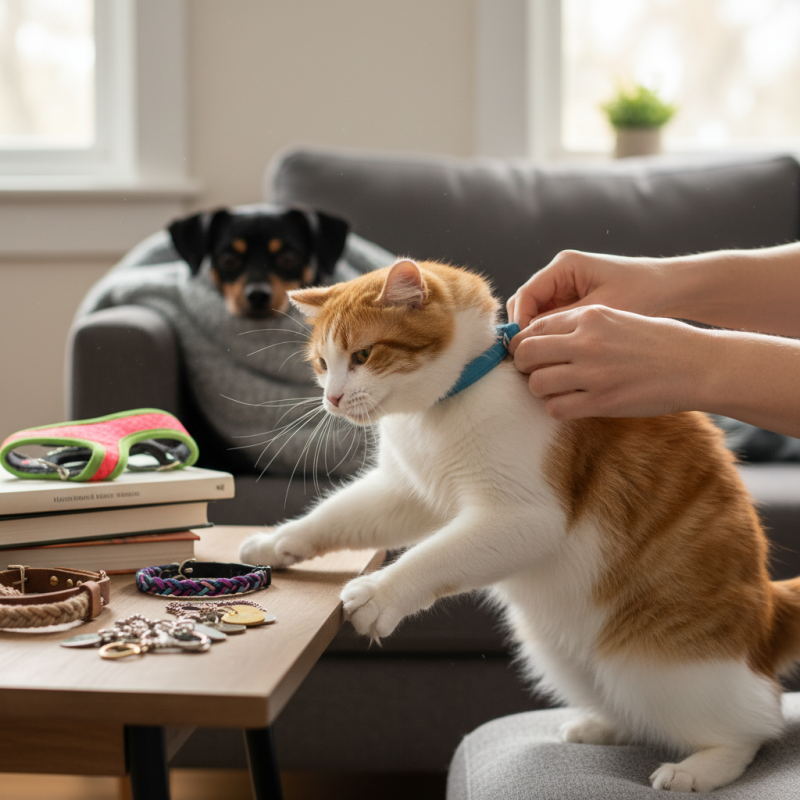
What to Do If My Pet Hates Wearing Collars?

Understanding Why Pets Dislike Wearing Collars

Many pets show resistance to wearing collars. Understanding their discomfort is crucial. Some pets associate the collar with unwanted restraint. Others may feel the weight around their necks is simply annoying.

Physical sensations can play a big role. The collar might rub against their skin, causing irritation. If the fit is wrong, pets may feel choked or restricted. It's important to observe their behavior closely when they wear a collar. Look for signs of stress, such as pawing at their neck or trying to shake it off.

Emotional reasons also contribute. Pets may dislike changes in their routine or appearance. They often crave consistency, and wearing a collar can feel foreign. A pet's history can shape its feelings toward collars. It's worth reflecting on your pet's experiences. Adaptations like gradual introductions can help ease anxiety. Consider alternative options or training methods to make the experience more comfortable for your pet.

Choosing the Right Type of Collar for Your Pet

When a pet dislikes wearing a collar, the choice of collar becomes crucial. Begin by considering the materials. Soft, breathable fabrics often help pets feel more comfortable. Leather, while stylish, can be stiff and rigid. Experiment with different styles. Sometimes, a harness might be more suitable, especially for dogs that pull. For cats, breakaway collars provide safety and peace of mind.

Tips for choosing a collar: Measure your pet's neck carefully. The collar should fit snugly but leave space for two fingers. Look for adjustable options. These allow for a snug fit, accommodating for growth or weight changes.

Some pets may resist even the most comfortable collar. Gradual introduction is key. Let your pet sniff the collar first; don’t force it on immediately. Use treats to create a positive association. If your pet continues to resist, consider consulting a veterinarian or a pet behaviorist. Their advice can help pinpoint any underlying issues. Each pet is unique, so patience and persistence are important.

Gradual Introduction Techniques for New Collars

Introducing a collar to your pet can be challenging. Many pets dislike collars at first. Gradual introduction is key to overcoming this issue. Studies indicate that around 30% of pets react negatively to new collars. Understanding this can help you create a strategy.

Start by letting your pet sniff the collar. Make this a positive experience. Reward your pet with treats and praise when they show interest. Show them the collar during playtime. This ties a positive experience to the collar. Gradually, allow your pet to wear the collar for short periods. Each time you increase the duration, pair it with a favorite toy or activity.

Tips: Maintain a calm atmosphere. Anxiety can make it harder for your pet to adjust. Ensure the collar is not too tight. An uncomfortable collar may reinforce negative feelings. Monitor your pet’s reaction closely. If they show signs of distress, backtrack and give them time. Patience is vital. Each pet will adapt in their own time. Focus on their comfort and well-being.

Positive Reinforcement to Encourage Collar Acceptance

Many pets resist wearing collars. This can be frustrating for owners. A study shows that about 30% of cats and dogs dislike collars. Understanding the reasons behind this behavior is key. Some pets simply feel uncomfortable. Others may associate the collar with negative experiences. Positive reinforcement is a great way to change this.

Start by introducing the collar in a fun way. Let your pet sniff it and investigate it. Reward them with treats for any calm behavior. Gradually put the collar on for short periods. Increase the time slowly. According to experts, pets learn better through rewards. A report indicates that positive reinforcement increases desired behaviors by nearly 75%.

Use treats or favorite toys to make the collar more appealing. Be patient through the process. Some pets may take longer to adjust. If your pet shows signs of stress, pause and try again later. This might not be perfect, but every small step counts. Building a positive association with the collar can lead to long-term acceptance.

What to Do If My Pet Hates Wearing Collars? - Positive Reinforcement to Encourage Collar Acceptance

Method Description Expected Outcome
Gradual Introduction Start by letting the pet sniff and explore the collar before putting it on. The pet becomes more comfortable with the collar.
Positive Reinforcement Reward the pet with treats and praise when they wear the collar. Association of collar wearing with positive experiences.
Short Wear Times Initially allow the pet to wear the collar for brief periods. Helps the pet adjust without feeling overwhelmed.
Use of Different Collars Experiment with different types of collars to find a comfortable fit. Increased likelihood of collar acceptance.
Distraction Techniques Engage the pet in play or activities while wearing the collar. Diverts attention from discomfort of collar.

Alternatives to Traditional Collars for Sensitive Pets

For sensitive pets, traditional collars can be uncomfortable. A report from the American Veterinary Medical Association indicates that nearly 30% of pets show signs of stress when wearing collars. This is a significant concern for pet owners. Understanding alternatives can make a big difference.

One option is a harness. Unlike collars, harnesses distribute pressure more evenly across the pet’s body. This can alleviate stress and discomfort, especially for small breeds. A study from the University of Queensland found that dogs wearing harnesses were less likely to pull, which leads to a more enjoyable walk for both pets and owners. Additionally, harnesses often come with different designs. They can be adjusted to fit snugly without constricting movement.

Another alternative is utilizing ID tags attached to a pet's harness or even GPS trackers. This can provide peace of mind. Many owners worry about losing their pets. Data from the American Society for the Prevention of Cruelty to Animals (ASPCA) shows that about 10 million pets are lost each year. Harnesses and modern tracking devices offer a viable solution for safety without the discomfort of a traditional collar.

Alternatives to Traditional Collars for Sensitive Pets

FAQS

: What is the main purpose of the articles?

: The articles aim to inform readers about various important topics.

How can I apply the information provided?

You can implement the suggestions in your daily life to improve your knowledge.

Are the articles updated regularly?

Yes, the content is periodically reviewed and updated for relevance.

Can I share the articles with others?

Yes, sharing is encouraged to spread knowledge.

What if I disagree with the information?

Disagreement is natural; it's important to think critically about the content.

Are there any potential biases in the articles?

Some viewpoints may be subjective; readers should consider multiple perspectives.

How can I give feedback on the articles?

Feedback can often be submitted through the platform where the articles are hosted.

Is there contact information for further questions?

Typically, contact details are provided at the end of each article for inquiries.

Can the information be trusted?

While efforts are made to ensure accuracy, always verify from multiple sources.

What if I find errors in the articles?

Noticing errors is helpful; reporting them can lead to corrections and improvements.

Conclusion

If you're wondering, "What if my pet hates wearing collars?" it's essential to first understand the reasons behind your pet's discomfort. Pets may dislike collars due to factors such as improper fit, material sensitivity, or unfamiliarity. Selecting the right type of collar tailored to your pet’s needs can make a significant difference. Soft, adjustable collars or harnesses might be a better fit for sensitive animals.

To help your pet become accustomed to wearing a collar, employ gradual introduction techniques. Start by allowing your pet to sniff and explore the collar before gently placing it on them for short periods. Positive reinforcement, such as treats and praise, can encourage acceptance and reduce anxiety. If traditional collars continue to be a challenge, consider alternatives like harnesses or even custom-made options designed for comfort. By taking these steps, you can effectively address your pet's aversion to collars and ensure their safety while fostering a positive experience.

Aria

Aria

Aria is a dedicated marketing professional with a deep passion for innovative strategies and a keen understanding of our company's product offerings. With a wealth of experience in the industry, Aria excels at crafting engaging content that highlights the unique features and benefits of our......