What to Do If Your Pet Loses Its Collar?

Time:2026-05-19 Author:Isabella
0%

Every pet owner knows the importance of a collar. It identifies your pet and keeps them secure. But what if my pet loses its collar? This situation can be stressful for both pets and owners. Collars often hold vital information, like ID tags and medical details.

When your pet loses its collar, quick action is crucial. Start by searching your home and immediate area. You might find it in unlikely places. Ask neighbors for help. They can keep an eye out if your pet wanders off. Sometimes, a collar may turn up unexpectedly.

Consider replacing the collar with a more reliable option. GPS collars are great for tracking. Also, microchipping your pet can offer an extra layer of security. It’s essential to keep your contact information up to date. Trust me, this can make all the difference if your pet goes missing again. Reflecting on previous experiences can guide your next steps, ensuring you are ready if it happens again.
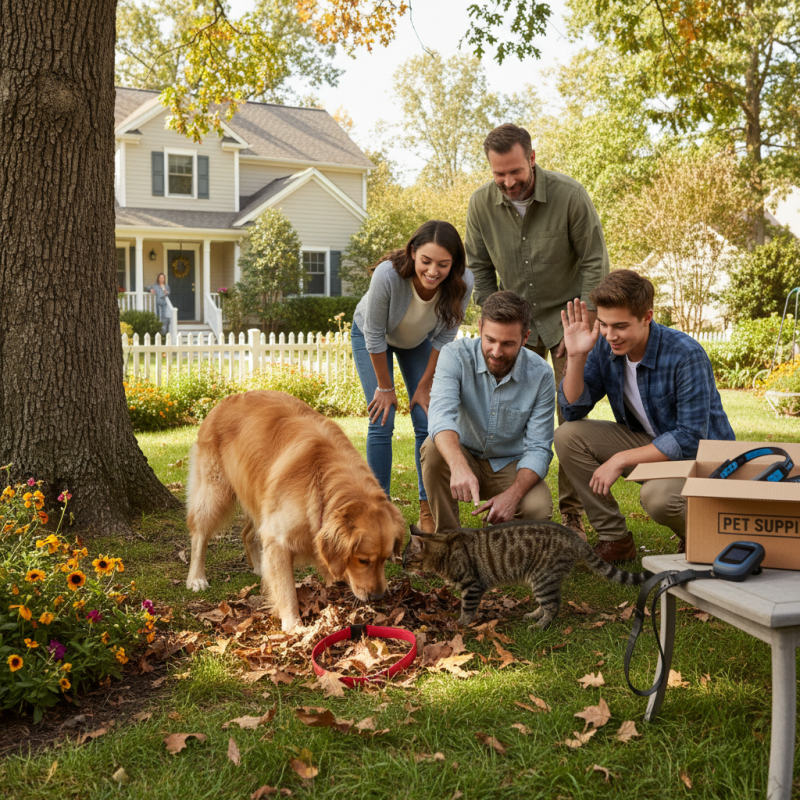
What to Do If Your Pet Loses Its Collar?

Identifying the Importance of Your Pet's Collar

A pet's collar is more than just a fashion statement. It serves crucial functions, acting as a safety tool. It holds identification tags, which enable quick contact if your pet gets lost. These tags can easily reveal vital information like your phone number and address. Without a collar, your pet could struggle to return home, which can be distressing for both of you.

Moreover, collars can identify your pet’s health needs. They can display medical tags for allergies or medications. This information is essential for anyone who may find your pet in an emergency. A collar can also be a preventive measure against potential dangers. Without one, your pet may face risks, such as roaming too far or encountering unknown situations alone.

Losing a collar is troubling. It raises concerns about your pet’s safety. Reflect on how easily this can happen. A quick run in the park can lead to a missing collar. Regular checks and replacements can help ensure your pet’s safety. It's wise to assess the collar's durability. Ensuring your pet has a reliable collar can provide peace of mind for any pet owner.

Immediate Steps to Take When Your Pet Loses Its Collar

Losing a collar can be stressful for both pets and their owners. The first step is to remain calm. Check the area around where your pet was last seen. Search your yard or nearby parks carefully. Call your pet’s name and listen for any sounds that might help you find them.

If your pet is missing, notify your neighbors. They can help in the search and might have seen your pet. Consider making flyers with a clear picture of your pet. Include details about your pet's collar or any unique markings. Provide your contact information so people can reach you easily.

While waiting, stay positive. Reflect on how your pet usually behaves. This can guide your search strategy. For example, if they like hiding, check under bushes and in garages. Use treats or toys to lure your pet back if it’s safe to do so. By acting quickly and thoughtfully, you can increase the chances of reuniting with your furry friend.

What to Do If Your Pet Loses Its Collar? - Immediate Steps to Take When Your Pet Loses Its Collar

Step Description Timeframe Notes
1 Search the Immediate Area Within minutes Check around your home and yard first.
2 Put Up Flyers Same day Include pet's photo and description.
3 Contact Local Shelters Within 24 hours Provide details of your pet.
4 Notify Neighbors Same day Ask them to keep an eye out.
5 Check Online Resources Within 48 hours Look for lost and found pet groups.

How to Search for Your Pet After Losing Its Collar

Losing a pet's collar can be stressful. The first step is to act quickly. According to the American Society for the Prevention of Cruelty to Animals (ASPCA), about 10 million pets go missing each year in the U.S. A lost collar increases this risk. Start by checking your immediate area. Pets often don't wander far. Look in familiar spots, like under bushes or behind furniture.

Next, notify neighbors and local shelters. A quick word can spread awareness. The Pet Coalition states that spreading the word increases recovery chances by 70%. Use social media to share a picture and description of your pet. Detailed information helps. Mention any unique traits or markings.

While conducting your search, reflect on prevention. A collar with a GPS tag offers peace of mind. Data from the Microchip Registry shows that microchipped pets are 20 times more likely to be returned than those without. When trying to find your pet, remember: every detail matters, and a well-prepared plan can make all the difference.

Preventive Measures to Avoid Losing Your Pet's Collar

Losing your pet's collar can be a distressing experience. To avoid this, consider some preventive measures that can keep your pet's collar secure. Often, pets become restless or playful and slip out of their collars. Regular checks are essential to ensure the collar fits snugly but not too tightly.

**Tips:** Ensure you use a breakaway collar if your pet is active. These collars release under tension, preventing choking accidents. Additionally, periodically inspect the collar for wear and tear. Over time, the materials can degrade, making the collar more prone to breakage.

Attach an ID tag to the collar that provides essential information, including your contact details. In case your pet gets lost, this can help someone return them quickly. You could also consider using a well-fitted harness, especially for escape artists.

Regular grooming can also help reduce collar loss. Pets with long fur may get their collars tangled or hidden. Take time to brush them regularly and check the collar's position. A collar that’s often hidden by fur may go unnoticed when it slips off.

Tips for Choosing a New Collar for Your Pet

When your pet loses its collar, choosing a new one can feel overwhelming. Start by assessing your pet's size and breed. A collar that fits well is essential for comfort. Measure your pet's neck to find the right size, ensuring it’s snug, but not too tight. You should be able to fit two fingers between the collar and your pet’s neck. This is a simple yet vital step to prevent any discomfort or injury.


Material plays a significant role in collar selection. Look for durable options. Nylon is strong and resistant to wear, while leather offers a classic look. Consider reflective features for night-time visibility. Bright colors can also make your pet stand out in a crowd. Think about functionality. Some collars come with slots for IDs and tags, which can be helpful in case of loss.


Don’t forget to involve your pet in the process. Allow them to sniff and explore new collars. Pets can show preferences, and their comfort is crucial. If a collar seems too stiff or irritating, it might not be the best choice. Refinement comes with trial and error. Take your time to observe your pet's behavior with the new collar. It’s essential that they feel relaxed and safe while wearing it.

FAQS

: What should I do immediately after losing my pet's collar?

: Act quickly. Search your immediate area first. Pets often stay close to home.

How can notifying neighbors help in finding my lost pet?

Informing neighbors increases awareness. It can significantly improve your chances of recovery.

What role does social media play in searching for lost pets?

Social media helps share your pet's picture and description widely. The more details, the better.

Why is a GPS collar beneficial for pets?

A GPS collar provides peace of mind. It can help locate your pet quickly if lost.

How do I choose the right size collar for my pet?

Measure your pet's neck. Ensure the collar is snug but allows two fingers to fit underneath.

What materials should I consider when selecting a new collar?

Look for durable materials like nylon or leather. Choose based on comfort and durability.

How important is my pet's comfort when selecting a collar?

Comfort is crucial. Observe how your pet reacts to different collars to find the best fit.

Can I choose reflective features for my pet's collar?

Yes, reflective features improve visibility at night. It's a practical option for safety.

Should my pet be involved in choosing their new collar?

Absolutely. Let them explore and sniff collars. Their comfort is essential for a good fit.

What should I remember while selecting a collar for my pet?

Trial and error may be necessary. Take time to ensure your pet feels relaxed and safe.

Conclusion

If you find yourself asking, "What if my pet loses its collar," it's crucial to understand the significance of a collar for your pet's safety and identification. Immediately after your pet loses its collar, check your home and the surrounding area to ensure they are safe. Engage neighbors, local shelters, and veterinary clinics to increase the chances of reuniting with your pet.

To prevent future incidents, consider measures such as ensuring your pet's collar is properly fitted and durable. Additionally, explore alternative identification methods, like microchipping. When selecting a new collar, prioritize comfort and visibility to keep your pet secure. By taking these steps, you can better protect your furry friend from the potential risks associated with a lost collar.

Isabella

Isabella

Isabella is a dedicated marketing professional with a sharp focus on driving brand growth and engagement through strategic content creation. With an extensive background in digital marketing, she combines her passion for storytelling with her keen understanding of industry trends to deliver......