Why Do Pets Need a Collar for Safety and Identification?

Time:2026-06-13 Author:Sophia
0%

When considering pet ownership, many ask, "Why do pets need a collar at all?" A collar serves as more than just a fashion accessory. It provides essential safety and identification for our furry companions. In an emergency, a collar can help reunite lost pets with their owners. It is the first line of defense against accidents.

Collars can hold ID tags with crucial information. These tags often include the pet’s name, owner's contact number, and even medical needs. This information is vital if someone finds your pet. However, collars don't guarantee safety. A loose collar may slip off or get caught on objects. Regular checks can prevent these hazards.

Though collars are necessary, owners must not rely solely on them. Microchipping and good training are also critical. The collar is just one part of a comprehensive safety plan. Reflecting on pet safety can inspire better practices. Are we doing enough? Using a collar is straightforward, yet it carries profound significance for our pets' lives.
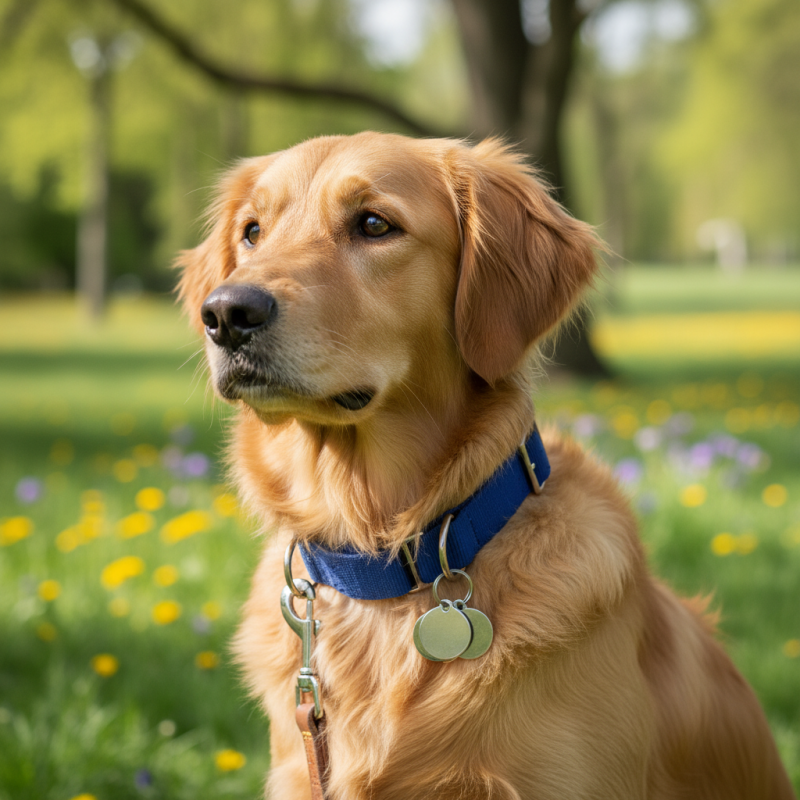
Why Do Pets Need a Collar for Safety and Identification?

Benefits of Using a Collar for Pet Safety and Identification

A collar serves as a lifeline for our pets, providing both safety and identification. When a pet gets lost, a proper collar ensures they can quickly return home. The collar often carries an ID tag. This tag usually displays the pet owner's contact information. It is a small yet significant tool that can save pets from distressing situations.


In addition to identification, collars provide safety features. Reflective collars enhance visibility during evening walks. This helps prevent accidents. A sturdy collar also allows owners to secure their pets when necessary. However, not all collars are created equal. Choosing the wrong size can lead to discomfort or escape. It’s essential to check for proper fit and make adjustments as needed.


Wearing a collar can also serve as a reminder for regular vet check-ups. Many collars have attachments for vaccination tags. Keeping these tags up-to-date can keep pets healthy. It reflects responsible pet ownership. Yet, some owners overlook this detail. Consequently, pets may miss necessary vaccinations. Always ensure your pet’s collar is not just a fashion statement but a vital tool for their safety and well-being.

Types of Collars: Choosing the Right One for Your Pet

When choosing a collar for your pet, several options are available. Each type serves specific needs and preferences. Martingale collars are excellent for dogs that tend to slip out. They tighten slightly when pressure is applied, ensuring a secure fit. However, they may require adjustment to fit comfortably.

[Image] Flat collars are the most common choice. They can hold ID tags and are often adjustable. While they are practical, owners should regularly check for signs of wear. Breakaway collars, designed for cats and small dogs, are essential for preventing choking. They snap open if the pet becomes caught, but their limited adjustability can be an issue.

Consider your pet’s behavior and size. Some collars may not suit overly active pets, as they might wear down faster. Reflective collars enhance visibility during walks at night, adding a layer of safety. Always ensure you’re choosing the right material. Some collars can irritate a pet’s skin; monitoring for reactions is crucial. Ultimately, a well-chosen collar can greatly impact your pet's safety and comfort, but it requires thoughtful consideration and regular assessment.

Essential Information to Include on Pet Collars

Pet collars serve two main purposes: safety and identification. When a pet goes missing, a collar is often the first defense for reconnecting with their owner. According to the American Kennel Club, 1 in 3 pets will go missing at some point. This statistic highlights the importance of visible identification.

Essential information on a pet collar can significantly increase the chances of recovery. Owners should include the pet's name, the owner's phone number, and, if applicable, microchip details. A 2020 study by the ASPCA found that pets with identification were 20 times more likely to return home than those without. Alongside these details, having an additional tag with a local vet's contact information can be critical.

However, many pet owners overlook the collar's fit and condition. Collars that are too loose can slip off, while those too tight can cause discomfort or injury. Regular checks are necessary, especially for growing pets. These oversights can diminish the collar's effectiveness as a safety tool.

Best Practices for Collar Maintenance and Safety Checks

A pet collar serves dual purposes: identification and safety. Regular maintenance of the collar is crucial. Check for wear and tear. Frayed edges or broken buckles can pose risks. Ensure that the collar fits snugly yet comfortably. An ill-fitting collar could slip off or choke your pet.

Routine inspections are a great habit. Look for rust on metal parts or fading of tags. Tags should be legible and up to date. A lost or unreadable tag can result in a long search for your pet. Think about replacing collars every few months, especially if your pet enjoys outdoor adventures.

Reflecting on these practices brings awareness. Some owners overlook the importance of proper collar care. Simple checks can prevent serious issues. It's a minor effort for major peace of mind. Always strive for safe and secure adventures with your furry friend.

Why Do Pets Need a Collar for Safety and Identification?

Legal Requirements and Local Regulations Regarding Pet Collars

Pet collars are essential for safety and identification. Many areas have specific legal requirements regarding pet collars. These rules vary by location, so pet owners must remain informed. Failing to comply can result in fines or other penalties. Some states require pets to wear collars with identification tags. Others have limits on collar materials. Understanding these laws ensures that pets stay protected and that owners are responsible.

Tips for ensuring compliance: Check your local regulations regarding pet collars. Regularly update your pet's identification tags with current contact information. Choose collars made of durable, safe materials. Collars should fit properly to avoid choking hazards.

Not all pets adapt well to collars. Some may display discomfort or irritation. Observe your pet closely during the adjustment period. If your pet shows signs of stress, consider alternatives like harnesses. Regular inspections are also necessary to ensure the collar is in good condition. It’s okay to reevaluate your approach. Safety and comfort should go hand in hand when choosing a collar for your furry friend.

FAQS

: What information should be included on a pet collar?

: Include the pet's name, owner's phone number, and microchip details if applicable.

Why is identification important for pets?

Pets with identification are 20 times more likely to return home when lost.

How often should I check my pet's collar?

Regular checks are essential. Look for wear, rust, and fading of tags.

What happens if a collar is too loose or tight?

Loose collars can slip off, and tight collars may cause injury or discomfort.

Are there legal requirements for pet collars?

Yes, many areas have specific laws regarding pet collars and identification tags.

What should I do if my pet shows discomfort with a collar?

Observe your pet. If they appear stressed, consider alternatives like harnesses.

How often should collars be replaced?

It's advisable to replace collars every few months, especially after outdoor use.

Can I use any material for a pet collar?

Choose collars made from durable and safe materials to avoid any risks.

How can I ensure my pet's identification is up to date?

Regularly update tags with current contact information and inspect their legibility.

What are common oversights in collar care?

Many owners forget to check fit and condition, which can lead to serious issues.

Conclusion

Why do pets need a collar at all? Collars are essential for both safety and identification purposes. They enable pets to be easily recognized and returned to their owners if they wander off. The right type of collar should be chosen based on your pet's size and breed, ensuring comfort and security. Essential information like the owner's name, contact number, and pet's medical details should be included on the collar to facilitate quick reunions in case of an emergency.

Regular maintenance and safety checks of the collar are crucial to prevent potential hazards, such as wear and tear or choking. Additionally, understanding local legal requirements regarding pet collars can help ensure compliance and promote responsible pet ownership. Ultimately, a collar is not just an accessory; it is a vital tool for protecting your pet's well-being and ensuring their safe return home.

Sophia

Sophia

Sophia is a dedicated marketing professional with an exceptional depth of knowledge about her company's products and services. With a keen understanding of market trends and customer needs, she crafts insightful blog posts that not only inform but also engage readers, enriching the company’s online......