Walking your dog is a daily pleasure for many pet owners. However, it can also pose risks. Understanding how to make pet walking safer is vital for both you and your furry friend. Imagine the thrill of exploring your neighborhood together, but consider the unexpected challenges you might face.
Crowded streets, other dogs, and even weather conditions can make walks risky. It’s important to prepare well. A simple leash can be a life-saver, yet many owners underestimate its importance. Reflecting on your past walks might reveal moments where safety could have been improved.
Additionally, awareness of your surroundings is crucial. Distractions can lead to accidents, and even the most well-behaved dogs can be unpredictable. Training and consistent practice can make a significant difference. By taking steps to enhance safety, walks become enjoyable and secure for everyone involved. Ensure both you and your dog are ready for a safe adventure.
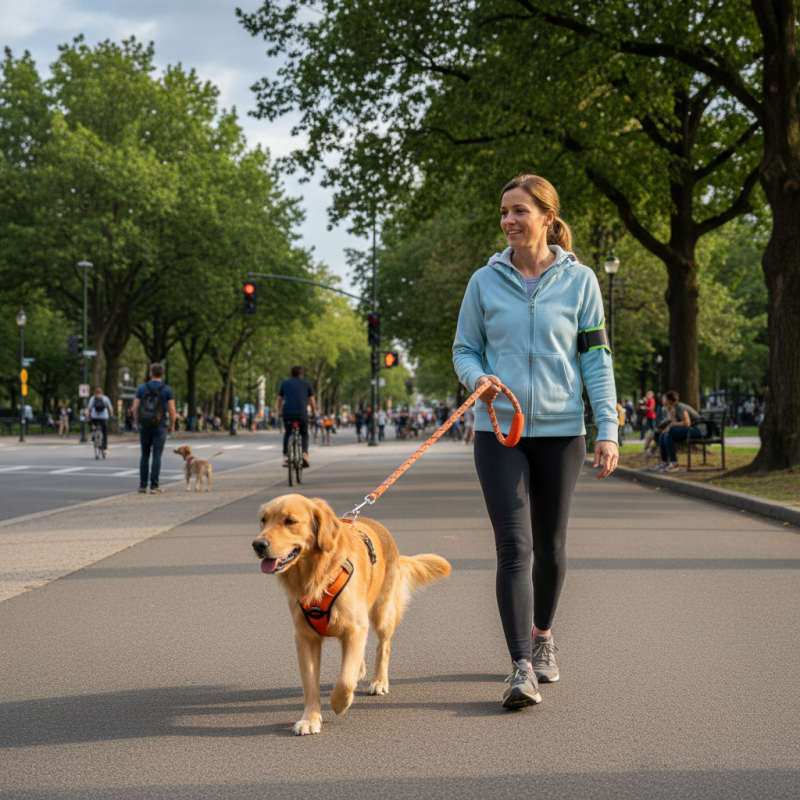
When it comes to walking your dog, the right leash and collar are essential. A sturdy leash can prevent sudden escapes. Opt for one that offers good grip and length. A four to six-foot leash is often best for control. Longer leashes can be risky in crowded areas.
Collars are equally important. They should fit snugly but not too tight. A good rule is to fit two fingers between the collar and your dog's neck. Consider reflective materials for added visibility during night walks. Harnesses can also be a safer choice for some breeds.
Here are some tips to enhance safety. Always check for signs of wear and tear on both leash and collar. A frayed leash is a safety hazard. Adjust the leash length according to your surroundings. In a busy area, keep it shorter. Monitor your dog’s comfort. An uncomfortable collar can lead to distractions and disobedience. Every walk is a chance to improve your routine.
When walking your dog, it’s crucial to understand local laws. Every city has its own regulations. Some areas require leashes at all times. Others may allow dogs to roam freely in designated spaces. Check your local laws to avoid fines. Understanding these rules helps keep your walks enjoyable and stress-free.
Additionally, local leash laws vary widely. Some municipalities have stricter rules than others. Some parks have specific off-leash hours. Familiarize yourself with these details. Many owners feel confused by these variations. It’s common to see dogs off-leash when they shouldn’t be. This behavior can create tension, especially with other dog walkers. Make sure your pet is compliant; it benefits everyone.
Try to stay aware of your surroundings while walking. Other dogs, cyclists, or pedestrians might appear unexpectedly. If your dog reacts poorly to certain stimuli, it’s essential to manage the situation. Keep a close eye on nearby activities. Reflect on how different environments impact your dog’s behavior. Consistent walks in varied areas can help improve their adaptability.
Weather can significantly impact your pet walking experience. Heat stress in dogs can lead to severe health issues. According to a study by the University of Florida, about 50% of dog owners underestimate how quickly a pet can overheat. Walking during cooler hours can help avoid this.
Rainy weather presents its own challenges. Wet pavement can cause slips and falls for both you and your dog. A survey by the American Kennel Club found that 34% of dog injuries occur during walks. Consider using a pet-friendly raincoat. It keeps them dry and protects their paws from cold surfaces.
Snow and ice are notorious for creating hazards. Salt and chemicals used for melting ice can irritate your dog's paws. It's essential to wash their paws after walks in winter. A report from the ASPCA highlights that nearly 45% of pets are affected by irritants in winter conditions. It’s easy to overlook this detail, but it’s crucial for maintaining your dog's well-being. Adjust your walk schedule based on the weather and your pet’s discomfort. Always be vigilant.
Staying aware of your surroundings while walking your dog is crucial for safety. Research shows that over 30% of dog owners have experienced a near-miss with another pet or an unexpected obstacle. Distractions can come from everywhere. A cyclist speeding by, a sudden noise, or even a squirrel can divert your focus.
It’s important to develop a habit of scanning your environment. Observe the people and pets around you. According to a pet safety study, 45% of pet-related accidents occur when owners are not paying attention. Those few seconds of distraction can have serious consequences for both you and your dog.
Diverse conditions can affect your walk. Busy streets can pose a danger, while quiet parks may seem like a safe haven but could hide unexpected threats. Always look for potential hazards, like broken glass or aggressive dogs. Remember, vigilance can help prevent accidents. You might miss a threatening situation if you’re too focused on your phone or talking to another person. This awareness not only keeps you safe but also ensures a pleasant stroll for your furry friend.
Training your dog for good behavior on walks is essential for a safe experience. Start with basic commands like “sit” and “stay.” These commands can prevent unwanted behaviors. If your dog is overly excited, practice indoors first. Keep training sessions short to maintain focus. Reward your dog with treats or praise when they respond correctly.
Leash manners are crucial. Teach your dog to walk beside you, not in front. This helps maintain control during walks. If they pull, stop walking. Wait until they return to your side before continuing. It may take time, but consistency is key. Adjust your expectations; some days may be better than others.
Socialization is another important aspect. Expose your dog to different environments and other dogs. This can help them remain calm in new situations. Even well-trained dogs can act out when surprised. A sudden noise or a passing dog can trigger a reaction. Stay patient and ready to correct unwanted behavior when it happens.
: Symptoms may include fatigue, pain, and mood changes. Some may experience sleep disturbances.
Diagnosis usually involves a physical exam and medical history review. Tests may be needed to rule out other issues.
Treatment can include medication, therapy, and lifestyle changes. Individual plans vary based on symptoms and severity.
Yes, diet, exercise, and stress management can significantly influence symptoms. Small adjustments can lead to improvements.
Some treatments may involve side effects. Discuss potential risks with a healthcare provider. Regular follow-ups are essential.
Techniques like mindfulness, meditation, and regular physical activity may help. Find what works best for you.
Yes, many people experience frustration. It's important to acknowledge these feelings and seek support when needed.
Local support groups and online forums can provide helpful information and encouragement. Engaging with others may help.
Regular check-ups are important. Depending on your situation, visits could be monthly or quarterly.
It can impact daily activities for some individuals. Finding coping strategies may enhance quality of life.
When considering how to make pet walking safer, it’s essential to focus on several key factors. First, choosing the right leash and collar is crucial; these should be comfortable yet secure to prevent any escapes or mishaps. Additionally, understanding local dog walking laws and regulations helps ensure that you comply with leash laws and designated areas, promoting safety for both you and your dog.
Preparing for varying weather conditions can also enhance safety during your walks; this includes dressing appropriately for both you and your pet and staying hydrated. While walking, staying aware of your surroundings is vital to avoid potential hazards such as other animals or traffic. Finally, training your dog for good behavior during walks, including commands and socialization, contributes to a safer and more enjoyable experience for both of you. By implementing these strategies, you can significantly improve the safety of your pet walking routine.

Canna Pet Supplies