When considering how to extend the life of pet collars, pet owners often overlook crucial strategies. Collars are essential for your pet’s identification and safety. Yet, they can wear out quickly, especially with daily use. Understanding how to care for them properly can save money and ensure your pet is always wearing a reliable collar.
Dog and cat collars face various challenges. Elements like dirt, moisture, and wear can lead to quick deterioration. Choosing the right materials and practicing regular maintenance is vital. Factors influencing collar longevity include the type of fabric used and how frequently the collar is cleaned. Observing trends and sonal changes, like sudden weather shifts, also plays a role. Reflecting on past experiences with your pet's collar can provide insights into necessary adjustments.
In this guide, we will dive into actionable tips that emphasize the importance of proper collar care. With practical advice, you’ll learn how to preserve the durability of your pet's collar. This allows you to enjoy peace of mind while keeping your furry friend stylish and safe.
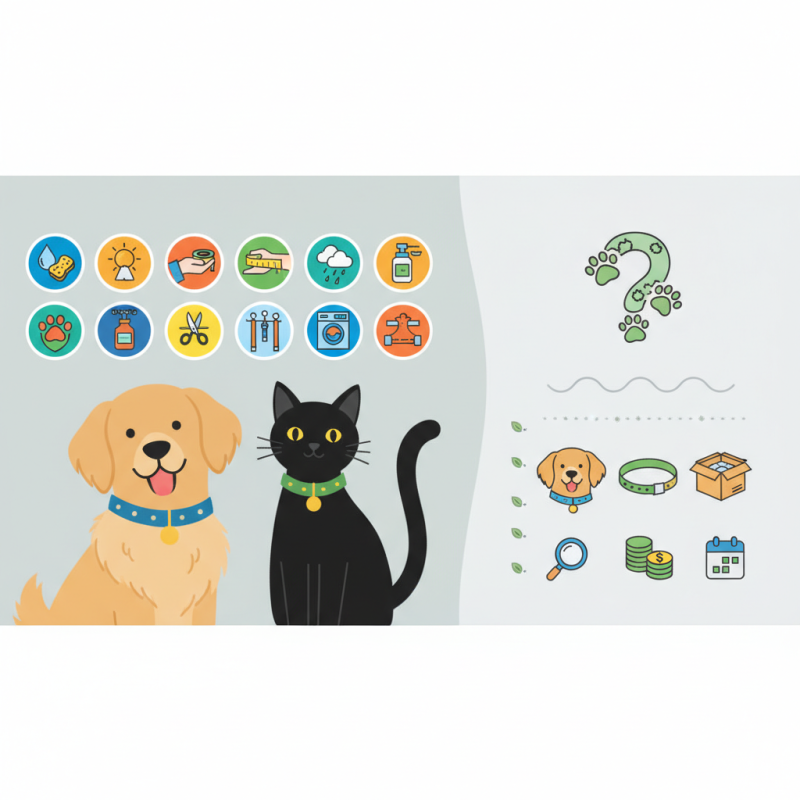
Choosing the best materials for durable pet collars is essential for any pet owner. A report from the American Kennel Club states that high-quality materials can significantly affect the collar's lifespan. Common materials like nylon and leather are known for their durability. Nylon, in particular, is lightweight and resistant to wear. It dries quickly, making it suitable for various weather conditions. On the other hand, leather offers timeless style and can withstand rough use. However, leather requires regular maintenance to keep it in top shape.
To extend the life of your pet's collar, consider these tips. Regularly inspect the collar for signs of wear and tear. Look for frayed edges or weakened areas. Another tip is to clean your collar regularly. Use a damp cloth to wipe down nylon collars and a leather conditioner for leather ones. Keeping the collar clean reduces the risk of irritation on your pet’s skin.
Additionally, avoid leaving collars on pets during rough play or swimming. This may cause irreversible damage. A study in the Journal of Veterinary Behavior highlights that collars can become stretched or damaged under stress. Pay attention to the size of the collar, as a loose fit may lead to wear. Making informed choices about materials and care can significantly prolong the life of your pet's collar.
: High-quality materials like nylon and leather are recommended for their durability and strength.
Use a damp cloth for nylon collars and leather conditioner for leather ones. Regular cleaning is essential.
Inspecting collars for wear helps catch frayed edges or weaknesses early. Ignoring this can lead to safety issues.
Yes, collars may stretch or get damaged during rough play or swimming. It's best to remove them in such situations.
Store collars in a cool, dry place to avoid moisture and dust. A designated storage box works well.
Set a cleaning schedule every few weeks to reduce dirt and allergens. Regular cleaning extends collar life.
Neglecting collar care can lead to unpleasant odors and skin irritation for your pet. Regular maintenance is crucial.
Yes, metal rings can rust if stored in damp areas. Always keep them dry to prevent degradation.
Improper storage can lead to fraying or loss of elasticity over time, reducing the collar's lifespan significantly.
Consider past mistakes in collar maintenance and adjust your storage habits. Small changes can make a big difference.
To ensure your pet collars remain in top condition for an extended period, it's essential to understand how to extend the life of pet collars through a few key practices. First, selecting the best materials—such as high-quality nylon or leather—can greatly enhance durability. Regular cleaning and maintenance are equally critical; gently wash collars with mild soap and water to remove dirt and prevent odor buildup.
Additionally, ensuring the right fit and making necessary adjustments will not only keep your pet comfortable but also prevent wear from excessive rubbing. Being vigilant about signs of wear, such as fraying or fading, is important to know when to replace collars. Finally, proper storage is essential; keep collars in a cool, dry place away from direct sunlight to prevent damage. By following these guidelines, you can effectively prolong the life of your pet's collar and maintain its functionality and appearance.

 Canna Pet Supplies