When it comes to keeping our pets safe outdoors, expert veterinarian Dr. Sarah Bennett emphasizes the importance of preparation. She says, "Awareness is the first step to ensuring a pet's safety." Understanding potential dangers can make a difference.
Pet owners often overlook simple factors. Leashes, collars, and proper identification are crucial. Weather conditions can also pose threats, especially in extreme heat. Your pet may need shade and water during hot days.
While you may believe your yard is secure, always double-check fences and gates. Small gaps can become escape routes. Also, be cautious of toxic plants and chemicals. Regularly assess your outdoor environment to maintain safety. It's not just a one-time effort; it requires ongoing vigilance.
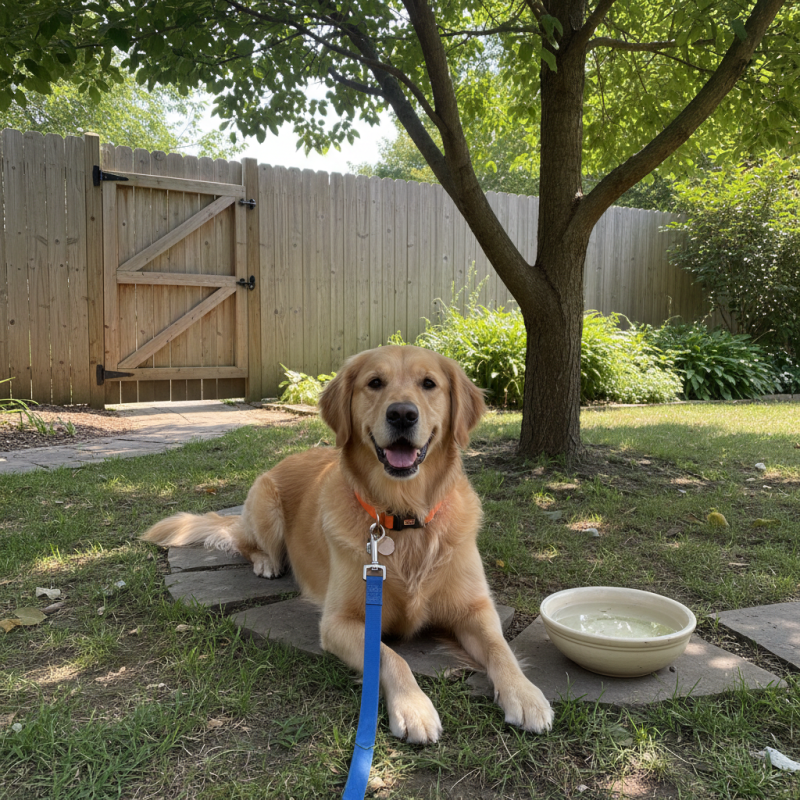
Understanding your pet's outdoor needs is crucial for their safety and well-being. Pets thrive when they can explore their environment. According to the American Veterinary Medical Association, over 80% of dogs enjoy outdoor activities. Cats also benefit from exposure to sunlight and fresh air. Yet, not every outdoor experience is safe. Wild animals, busy roads, and harmful plants can pose threats.
Pay attention to your pet's behavior. Nervous pets may act out when outdoors. Some dogs bark excessively when they see other animals. Understand their triggers to manage their responses. A study by the ASPCA shows that pets who receive proper socialization have fewer behavioral issues. Regular exercise is essential, too. Pet owners often underestimate how much physical activity their pets need.
Be mindful of outdoor conditions. Hot pavement can burn sensitive paws. Allergens in the grass may cause irritation. In cold weather, pets can suffer from frostbite. Providing a safe space for exploration is vital. Supervise playtime and set boundaries. Regularly check for hazards. Your pet's curiosity could lead them into trouble. A little precaution can go a long way in keeping your furry friends safe and happy outdoors.
Choosing a safe outdoor environment for your pet is crucial. Begin by inspecting your yard or any open space. Remove harmful plants. Familiarize yourself with native flora. Some plants may be toxic to pets. Check for any items that could pose a danger. Sharp objects or debris can injure curious paws.
Ensure your pet has access to shade. Pets can overheat quickly. Provide a fresh water source to keep them hydrated. Create a designated play area away from busy streets. Fences are essential but ensure they are secure. Cats and small dogs can slip through gaps easily.
Consider the weather conditions. On hot days, the ground can be scorching. Avoid walks during peak heat hours. Watch for signs of discomfort in your pet. Some pets may not like the outdoors at all. Always observe their behavior. They may need time to adapt. Encouragement and patience are key.
| Safety Tip | Description | Importance |
|---|---|---|
| Secure Fencing | Ensure your yard is enclosed with a secure fence to prevent pets from escaping. | Prevents injury and lost pets. |
| Parasite Control | Use flea, tick, and worm prevention treatments to keep pets healthy. | Reduces risk of disease. |
| Supervised Playtime | Always supervise your pets when they're outside to prevent accidents. | Ensures safety from hazards. |
| Avoid Toxic Plants | Identify and remove plants that are poisonous to pets. | Prevents poisoning incidents. |
| Provide Shade & Water | Ensure your pets have access to shade and fresh water during outdoor activities. | Prevents overheating and dehydration. |
When taking your pet outdoors, having the right supplies is crucial. Start with a sturdy harness and leash. These items should fit well and allow your pet to move freely without slipping away. A well-fitted harness is safer than a regular collar for many pets.
Consider carrying a portable water bowl. Keeping your pet hydrated is vital, especially in warm weather. Look for bowls that are easy to carry and clean. A quick refill during your walk can prevent dehydration. Pack some treats too. They can reward good behavior or distract your pet from stressful situations.
Don't forget about sun protection for pets with light fur or skin. A pet-safe sunscreen can help protect them during long outdoor trips. Always know where the nearest shaded areas are. Too much sun can lead to overheating. Monitoring your pet's energy levels is equally important. If they seem tired, take a break. Reflect on your adventures together. Outdoor fun is great, but safety must come first.
Outdoor adventures can be exhilarating for pets, but they come with risks. One common hazard is toxic plants. Many pet owners may not know that common landscaping plants can be harmful. For example, azaleas and oleanders can cause serious health issues. Always identify the plants in your yard. Remove or fence off any known dangers. This simple step can keep your furry friend safe.
Another concern is wildlife encounters. Pets may be curious about animals like raccoons or skunks. These creatures can bite or scratch if threatened. It's crucial to supervise your pets outdoors, especially in wooded areas. Using a leash can prevent unwanted interactions. Additionally, check for signs of wild animal activity in your backyard to ensure a safe play environment.
Lastly, consider the weather. Hot pavement can burn your pet’s paws. Cold temperatures can lead to hypothermia. Always check the ground before allowing them to run. Provide shade during hot days and warm bedding during cold nights. Your pet relies on you for protection, so stay vigilant about outdoor conditions.
Establishing a routine for outdoor supervision is crucial for keeping your pet safe. Consistency gives your pet a sense of security and promotes good behavior. Choose specific times for outdoor play. This helps your pet understand when it's time for fun. Make sure you supervise them closely. Watch for signs of stress or anxiety. Implementing this routine requires commitment. Sometimes, you might miss a session. Don't beat yourself up. Just get back on track.
Training is another vital aspect of outdoor safety. Using positive reinforcement will encourage desired behaviors. For instance, reward your pet when they come when called. Use treats or praise to reinforce this. Frequent training sessions will help your pet understand boundaries. However, be patient if they don't grasp concepts immediately. Every pet learns at their own pace.
Here are some tips for outdoor safety. Always leash your pet, even in familiar areas. This prevents them from chasing after wildlife. Regularly check your yard for hazards. Remove sharp objects or toxic plants. Lastly, provide plenty of water to keep them hydrated during outdoor activities. Small, manageable changes can make a big difference in your pet's safety.
: The product aims to improve user experience. It focuses on convenience and efficiency in daily tasks.
Anyone looking for better productivity can benefit. It is suitable for various age groups and professions.
Follow the provided guidelines for optimal results. Consistency in usage is key to seeing improvements over time.
Some users struggle with initial setup. Others may find it hard to integrate into their routines.
Yes, user support is available through multiple channels. Resources include FAQs, online forums, and customer service.
In most cases, it can complement other tools. However, users might experience integration issues at times.
It meets standard safety requirements. Regular testing helps identify potential risks.
Yes, updates are released periodically. Users should check for improvements or new features regularly.
Certain features may not work in every situation. Users might need to adapt their expectations accordingly.
Refer to the troubleshooting guide first. If issues persist, contacting support is recommended.
When considering how to keep my pet safe outdoors, it is essential to understand their unique needs and behaviors. By selecting a safe outdoor environment and providing the right gear, you can help mitigate risks. Essential supplies may include well-fitted collars, leashes, and protective gear for different weather conditions.
Additionally, recognizing common outdoor hazards such as toxic plants, wildlife, and traffic is crucial for your pet's safety. Establishing a routine that includes supervision and training can further enhance your pet's outdoor experience. Regularly engaging in safe and positive outdoor activities not only keeps your pet secure but also strengthens your bond, allowing for enjoyable explorations together.

Canna Pet Supplies