What to Look for in a Good Pet Collar?

Time:2026-10-22 Author:Mason
0%

Choosing a pet collar looks simple until a dog pulls hard or a cat slips behind furniture. The right collar should support safety, comfort, and everyday control. However, appearance alone can be misleading. A bright pattern may hide rough edges, weak stitching, or an awkward buckle.

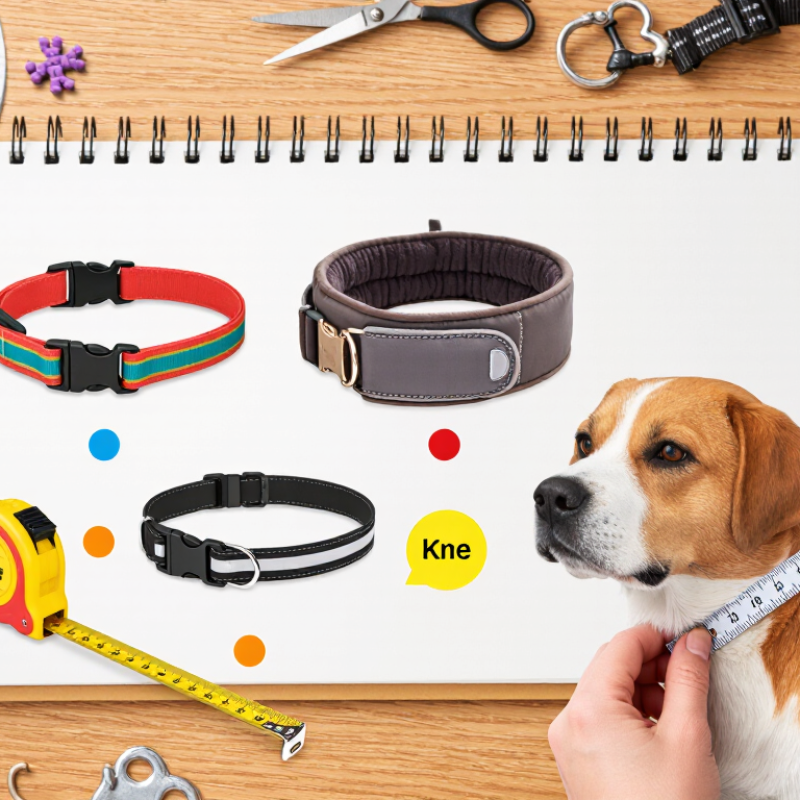
What to look for in a good pet collar begins with fit. You should slide two fingers between the collar and your pet’s neck. It should stay secure without pressing into the skin. Check the neck after several minutes of walking. Red marks, rubbing, or repeated scratching suggest a problem. Measure again after grooming, weight changes, or a thick winter coat.

Material also matters. Soft nylon suits many active dogs, while padded options may help pets with sensitive skin. For cats, a quick-release collar can reduce snagging risks during unsupervised movement. Reflective strips improve visibility near roads and dim paths. A sturdy attachment ring is important, but it should not make the collar heavy. Small details matter.

A collar is not automatically safe because it has good reviews. Fit must be checked regularly. I have seen owners adjust collars once and forget them for months. That mistake is understandable, but it can create discomfort as a pet grows. Experts commonly recommend inspecting stitching, buckles, and identification tags before use. A collar should complement a properly fitted harness when extra control is needed. The best choice balances your pet’s size, habits, coat, and environment. It may take some trial and careful observation. That is part of responsible ownership.

What to Look for in a Good Pet Collar?

Understanding the Purpose and Fit of a Pet Collar

What to Look for in a Good Pet Collar?

Understanding the Purpose and Fit of a Pet Collar

A good pet collar begins with purpose, not decoration. For dogs, it may hold identification, support controlled leash walks, and improve outdoor visibility. For cats, a breakaway design can reduce snagging risks during independent movement. The collar should match the animal’s routine, age, coat, and behavior. A veterinary professional can help when skin conditions, breathing concerns, or unusual neck shapes complicate the choice. Material matters. Soft, breathable surfaces suit daily wear, while sturdy construction supports regular walking. Still, no collar replaces supervision or a properly fitted harness when pulling is strong.

Fit is the safety test I use most. With the collar fastened, I should slide two fingers between the strap and the neck. It should stay secure without pressing into the skin. Check the fit again after grooming. Thick fur can hide looseness, while clipped fur can make the same collar suddenly tight. Watch for rubbing, hair loss, swelling, coughing, or repeated scratching. Look closely. These signs deserve prompt attention from a qualified veterinarian. I once assumed a quiet pet was comfortable because it did not resist. That was a poor assumption. Some animals show discomfort through withdrawal, not struggle. Inspect buckles, stitching, and identification attachments often, especially after wet walks. Replace damaged equipment promptly.

Choosing Safe, Comfortable, and Durable Collar Materials

What to Look for in a Good Pet Collar?

Choosing Safe, Comfortable, and Durable Collar Materials

A good collar begins with a material that feels soft against the neck. Nylon is lightweight, washable, and suitable for everyday walks. However, rough edges can rub under the chin. Smoothly finished webbing matters more than appearance. Biothane-style coated materials resist moisture and mud, but some pets may find them less flexible. Leather can soften with use, yet it needs regular cleaning and drying. Damp leather may become stiff or develop an unpleasant odor.

Check the collar’s stitching, buckle, and adjustment points carefully. Strong, even stitching should hold without loose threads. Metal hardware should feel solid, but it should not become heavy around a small pet’s neck. Plastic buckles can be practical when they close securely and release smoothly. For cats, a properly designed breakaway feature may reduce snagging risks indoors or outdoors. The collar must still fit correctly. You should slide two fingers beneath it.

I once assumed thicker material always meant better protection. That was not accurate. A thick collar can restrict movement or trap heat, especially on a short-haired pet. Inspect the neck after a walk for redness, damp fur, or flattened hair. Replace the collar when cracks, stretched holes, or frayed seams appear. Washable materials are convenient, but frequent washing can weaken certain coatings. Let the collar dry fully before putting it back on. Comfort is easy to overlook. Your pet cannot explain a small irritation.

What to Look for in a Good Pet Collar? — Choosing Safe, Comfortable, and Durable Collar Materials

A practical comparison of common collar materials and the key features that support pet safety, comfort, fit, and everyday durability.

Collar Material Safety Features Comfort & Skin Contact Water & Weather Resistance Typical Durability Care Requirements Best Use
Nylon Webbing Lightweight and strong when stitched correctly. Look for secure buckles, reinforced attachment points, and smooth edges. Generally comfortable and flexible. A soft or padded lining can help reduce rubbing on short-coated pets. Dries relatively quickly and handles occasional rain. It may retain odor if frequently left damp. ★★★★☆
Good for daily wear
Hand-wash with mild soap; rinse thoroughly and air-dry. Inspect stitching regularly. Everyday use
Polyester Webbing Resists stretching and holds color well. Choose models with rounded hardware and strong load-bearing stitching. Soft, flexible, and available with padded finishes. Suitable for many coat types when fitted correctly. Low moisture absorption and good resistance to sunlight and outdoor conditions. ★★★★☆
Good outdoor performance
Wipe or hand-wash; remove dirt from the buckle and allow the collar to dry fully. Active pets
Leather Strong and secure when made with quality leather and reinforced holes. Avoid cracked, brittle, or heavily worn leather. Can soften with use and feel comfortable against the coat. Less suitable for pets with known leather sensitivities. Moderate resistance. Prolonged exposure to water can cause stiffness, drying, or material damage. ★★★★☆
Long-lasting with care
Keep dry when possible; use a suitable leather conditioner and never store while damp. Classic daily wear
Biothane-Coated Webbing Non-porous coated surface is easy to clean. Verify that the buckle and leash ring are firmly attached. Smooth surface helps reduce moisture and dirt buildup. Edges should be finished to prevent rubbing. Highly resistant to water, mud, and odor absorption, making it practical for wet conditions. ★★★★★
Excellent for outdoor use
Wipe clean with water and mild soap; dry before storage. Rain and swimming
Neoprene-Padded Fabric Padding improves comfort, but the collar still needs reliable webbing, stitching, and hardware underneath. Soft cushioning can reduce pressure and chafing, especially during walks and training. Resists brief water exposure but may hold moisture longer than plain webbing. ★★★☆☆
Comfort-focused
Rinse after exposure to salt, dirt, or chlorine; dry completely to help prevent odor. Long walks
Recycled Polyester Safety depends on the construction rather than the recycled content. Check stitching, buckle strength, and hardware quality. Comparable to conventional polyester when woven and finished properly; soft linings may improve comfort. Usually offers good resistance to normal outdoor moisture and sunlight. ★★★★☆
Good daily performance
Follow the care instructions; hand-wash when possible and inspect for fraying. Daily and travel use
Metal Chain Can be strong, but links may pinch skin or catch on objects. It should not replace a comfortable, properly fitted everyday collar. Less comfortable for continuous wear and may pull on fur or create pressure points. Varies by metal and finish. Corrosion can occur when exposed to moisture, salt, or chemicals. ★★★☆☆
Use with caution
Dry after wet exposure and check links, welds, and connecting hardware frequently. Limited training use
Fit and safety checklist: The collar should be snug but not tight. For most pets, you should be able to slide two fingers between the collar and the neck. Check the fit regularly, especially for growing puppies and kittens, and remove the collar immediately if it causes redness, hair loss, swelling, or discomfort.

Checking Adjustability, Fasteners, and Identification Features

What to Look for in a Good Pet Collar?

Checking Adjustability, Fasteners, and Identification Features

A good collar begins with controlled adjustability, not attractive stitching. Place it around the neck and slide two fingers underneath. For very small pets, one finger may provide a safer fit. The collar should stay secure without pressing into the skin. Check it again after a long walk. Fur can flatten, and the collar may feel looser. For puppies, recheck the fit weekly. Growth changes everything quickly. My early mistake was trusting the first fitting for too long.

Fasteners deserve a hands-on inspection. Close the buckle fully, then pull the strap with steady pressure. A fastener that opens during a mild tug is not dependable. Look for smooth edges, firm stitching, and a D-ring that does not twist easily. Plastic can be practical, but brittle parts may crack in cold weather or rough use. Metal components should resist rust and remain comfortable against fur. Avoid overcrowding the ring with heavy accessories. That detail is easy to overlook.

Identification features should be readable and securely attached. An engraved tag can show the pet’s name and current phone number. Keep the lettering deep enough to remain legible after scratches. Test the tag by shaking the collar gently. It should not catch on nearby objects. A microchip provides another identification layer, but it does not replace visible contact details. Update information whenever your number or address changes. Inspect the collar in bright light each month. Small cracks often appear before failure.

What to Look for in a Good Pet Collar?

A practical checklist for evaluating adjustability, fasteners, and identification features.

How to use this chart: Check that the collar can be fitted securely without restricting breathing, that the fastener remains secure during normal movement, and that identification information is visible and current. The values represent the number of core checks in this checklist, not a market survey or brand comparison.

Matching Collar Design to Your Pet’s Size and Lifestyle

A good collar begins with your pet’s body, not its color.
Measure the neck with a soft tape, then add room for two fingers. The collar should stay secure without pressing into the skin. The American Veterinary Medical Association recommends regular checks because weight, coat thickness, and age can change fit. Puppies need frequent adjustments. So do thick-coated dogs after grooming.

Lifestyle matters just as much as size. A slim, lightweight collar may suit a small indoor cat, while an active dog may need stronger stitching and a visible identification tag. For swimming, choose quick-drying materials and remove the collar afterward to prevent damp skin and odor. For nighttime walks, reflective details can improve visibility. The American Pet Products Association’s 2023–2024 National Pet Owners Survey reported that 66% of U.S. households own a pet. That scale shows why one design cannot fit every routine.

Check the collar after play, pulling, and sleep. Look for redness, broken hairs, cracked hardware, or repeated scratching. A breakaway design can be appropriate for cats, especially around climbing areas, but it must release reliably. I would not trust appearance alone. Some collars feel soft yet twist under pressure. Others fit well but become heavy when wet. Recheck the fit every few weeks. Small mistakes are easy to miss.

Inspecting, Cleaning, and Replacing the Collar Regularly

What to Look for in a Good Pet Collar?

A good pet collar needs regular inspection, not occasional attention. In my experience, small problems often appear before serious damage. Run your fingers along the entire collar each week. Look for frayed edges, stretched holes, cracked plastic, or loose stitching. A collar can look fine from above. Moisture hides underneath. Check the buckle, ring, and adjustment slider for bending or rust. Gently pull each attachment point. It should feel secure, without sharp movement or unusual looseness.

Clean the collar when it looks dirty, smells damp, or touches muddy fur. Remove it from your pet before washing. Use lukewarm water and a small amount of mild soap. Rinse away every trace of residue. Soap left behind may irritate sensitive skin. Pat the collar with a towel, then let it dry completely in a ventilated place. Never put a wet collar back on your pet. A damp collar can rub the neck and encourage skin problems. Inspect it again after cleaning, because softened dirt sometimes hides damage. Replace the collar when cracks, deep wear, or broken stitching appear. Do not wait for a complete failure. I once underestimated a thin worn edge because the buckle still worked. That judgment was poor. Fit also changes as pets grow, gain weight, or develop thicker coats. You should slide two fingers between the collar and the neck. Check the fit after grooming or seasonal coat changes.

FAQS

What is the main purpose of a pet collar?

A collar can hold identification and support controlled leash walks. It may also improve outdoor visibility. It is not a substitute for supervision or a suitable harness.

How tight should a pet collar be?

You should slide two fingers between the collar and the neck. It should stay secure without pressing into the skin. Check again after grooming.

How can I tell if a collar is causing discomfort?

Watch for rubbing, hair loss, swelling, coughing, or repeated scratching. Some pets withdraw instead of resisting. Look closely.

Which collar materials are practical for daily use?

Smooth nylon is lightweight, washable, and useful for everyday walks. Coated materials resist mud and moisture. Leather may soften, but it needs careful drying.

Is a thicker collar always safer?

No. Thick material can restrict movement or trap heat. I once assumed thicker meant better protection. That judgment was poor.

What collar features may help cats?

A properly designed breakaway feature may reduce snagging risks. The collar still needs correct adjustment. Test the fit around the neck.

How should I clean a dirty pet collar?

Remove it before washing. Use lukewarm water and mild soap, then rinse thoroughly. Pat it dry and leave it in a ventilated place.

When should a pet collar be replaced?

Replace it when you see frayed edges, cracked plastic, stretched holes, or broken stitching. Check the buckle and attachment ring weekly. Do not wait for complete failure.

Conclusion

Choosing what to look for in a good pet collar starts with understanding its purpose and finding a secure, comfortable fit. The collar should rest snugly without restricting breathing or causing rubbing, and it should be made from soft, durable materials that suit your pet’s skin and daily activities. Consider adjustable sizing, reliable fasteners, and useful identification features to help keep your pet safe and easily recognized.

A collar should also match your pet’s size, energy level, and lifestyle. Lightweight designs may suit small or indoor pets, while active animals may need stronger construction and weather-resistant materials. Regularly inspect the collar for fraying, cracks, stretched sections, or weakened closures. Clean it according to its material and replace it when it no longer fits properly or shows signs of damage. A well-maintained collar supports comfort, safety, and everyday practicality.

Mason

Mason

Mason is a seasoned marketing professional with a deep expertise in the company's offerings and a passion for driving brand awareness. With a strong background in digital marketing strategies, he has an innate ability to connect with diverse audiences and effectively communicate product benefits.......