Why Is My Pet Uncomfortable With Collars?

Time:2026-10-16 Author:Charlotte
0%

Why is my pet uncomfortable with collars? The answer may involve fit, material, pressure, fear, or a previous unpleasant experience. Some pets dislike the lightest touch around their neck. Others react only when a collar jingles, tightens, or catches on furniture. Watch closely. Your pet may freeze, scratch, lower their head, hide, or walk stiffly. These small signals matter.

A collar should rest comfortably without rubbing the skin or restricting movement. You should fit two fingers between the collar and your pet’s neck, while checking the area daily. Red marks, hair loss, coughing, gagging, or repeated pawing deserve attention. A veterinarian can examine pain, skin irritation, ear problems, or neck sensitivity that training alone will not solve. Professional guidance is especially important after surgery, injury, or sudden behavior changes.

Begin slowly. Let your pet sniff the collar beside a favorite blanket. Reward calm attention, then try brief contact. Remove it before distress grows. Patience helps.

Still, this approach is not perfect for every animal. I once underestimated how frightening a metal tag could sound against a bowl. A quieter tag and shorter sessions made a noticeable difference. Some pets need days; others need weeks. Never force the collar or punish resistance. If discomfort continues, pause the process and seek qualified veterinary or behavior support. Comfort is not a minor detail. It is part of responsible pet care.
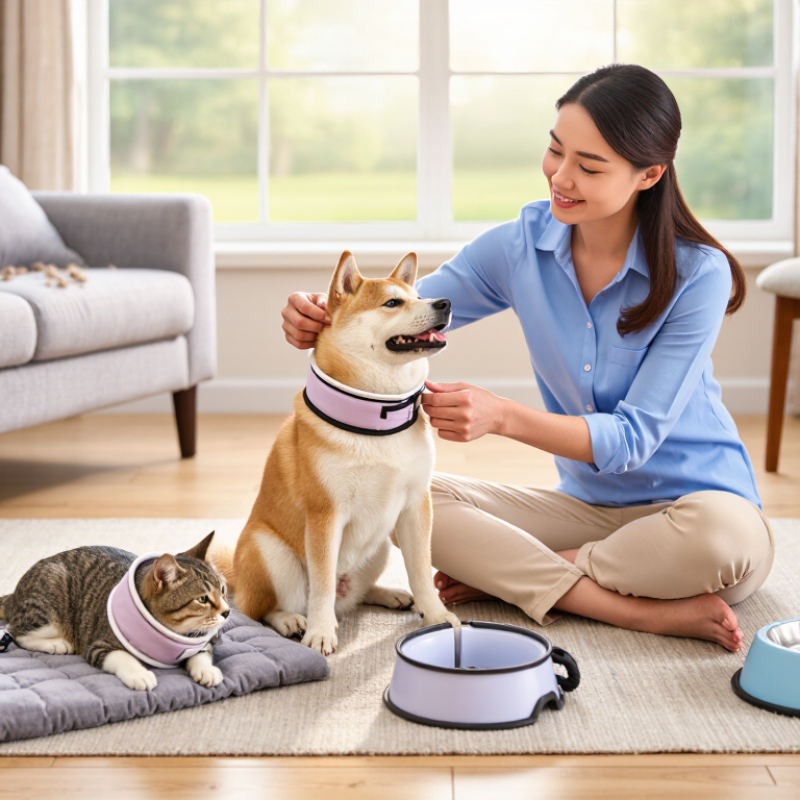
Why Is My Pet Uncomfortable With Collars?

Common Reasons Pets Feel Uncomfortable Wearing Collars

Why Is My Pet Uncomfortable With Collars?

Pets may resist collars for several ordinary reasons. A collar can feel tight, heavy, rough, or strangely cold against the neck. Some pets dislike the sound of metal tags moving near their ears. Others associate collars with stressful events, such as vet visits or unfamiliar walks. Puppies and newly adopted animals may also need time to understand this new sensation.

Fit is often the real problem. You should slide two fingers between the collar and your pet’s neck. It should stay secure without pressing into the skin. Check beneath the collar regularly for redness, hair loss, swelling, or damp fur. Coughing, gagging, repeated scratching, or sudden hiding may indicate discomfort. A veterinarian should examine persistent signs, especially if breathing or swallowing seems affected. Even careful owners can miss small changes. I once assumed scratching meant stubbornness, but irritation was the more reasonable explanation.

Tips: Introduce the collar indoors for short periods. Reward calm behavior with gentle praise or a small treat. Let your pet sniff it before wearing it. Choose a smooth, lightweight design with safe fastening. Avoid forcing the collar onto a frightened animal. Increase wearing time slowly, and remove it during supervised rest if discomfort continues. Check the fit after grooming, weight changes, or a haircut.

Why Is My Pet Uncomfortable With Collars?

The chart uses a practical comfort-impact score from 1 to 5, based on common veterinary and animal-behavior guidance. Poor fit, irritating materials, excessive weight, unfamiliar sensations, and pulling pressure are frequent reasons pets resist collars. Introduce a collar gradually, check that two fingers fit comfortably beneath it, and inspect the skin regularly for redness or hair loss.

Signs of Collar-Related Stress, Pain, or Skin Irritation

Collar discomfort often appears before obvious injury. Your pet may freeze, paw at the neck, shake, hide, or refuse to walk. Watch the neck. Redness, hair loss, scabs, damp fur, or an unusual odor can indicate friction, trapped moisture, or skin irritation. Pain may look like flinching, yelping, a lowered head, or reluctance to turn. Stress can look like stubbornness. Do not assume that. A tight collar can press against the throat, while a loose one may catch on furniture or fencing.

The American Pet Products Association’s 2023–2024 National Pet Owners Survey estimated that 65.1 million U.S. households owned dogs. That scale makes equipment-related discomfort worth noticing. However, the survey does not measure collar injuries, so it cannot prove how common this problem is. A veterinary examination is safer than guessing, especially when swelling, bleeding, breathing changes, or persistent scratching appears. A veterinarian can separate allergy, infection, pressure injury, and anxiety.

Tips: Check the collar after outdoor activity. You should usually fit two fingers beneath it, but neck shapes vary. Inspect buckles, seams, and tags for sharp edges. Remove irritating accessories when your pet is safely indoors. For cats, choose a correctly fitted breakaway design. Introduce replacement collars gradually with treats and short wear periods. Keep a simple note of scratching, redness, and timing. I would not rely on one fitting rule alone; comfort can change with wet fur, weight, age, or a small amount of swelling.

How to Check Whether a Collar Fits Safely and Comfortably

A collar should rest quietly, not become a daily source of pressure. Dogs may resist when it rubs behind the ears, catches loose skin, or feels unusually heavy. Cats can panic if a collar restricts movement or lacks a safe-release feature. The 2024 PDSA Animal Wellbeing Report estimates that 11.1 million dogs live in the UK, so small fitting mistakes can affect many households. My own mistake was checking the buckle first and the skin second. The skin should come first.

Slide two fingers between the collar and your pet’s neck. They should fit comfortably, without forcing your hand or leaving a wide gap. Check the throat, jawline, and neck folds for redness, damp fur, broken hair, or a strong odor. RSPCA welfare guidance supports regular collar checks and the two-finger fitting approach.

Watch your pet walk, turn, scratch, and rest. A collar that looks fine while standing may tighten when the head lowers. Remove it during unsupervised crate time if it can snag. Ask a veterinary professional about breathing issues, neck pain, or repeated panic.

Tips: Recheck the fit weekly, and after grooming or weight changes. Run one clean finger under the buckle area. Replace stretched, cracked, or frayed materials. For cats, test the release mechanism gently before use. Do not assume discomfort is stubbornness. Sometimes the collar is the problem.

Steps for Helping a Pet Gradually Accept a Collar

Why Is My Pet Uncomfortable With Collars?

Steps for Helping a Pet Gradually Accept a Collar

A pet may resist a collar because it feels tight, strange, or heavy. Some animals also dislike the sound of tags moving near their ears. Check the fit carefully. You should slide two fingers between the collar and your pet’s neck. Watch for rubbing, redness, coughing, or repeated scratching. Remove the collar and contact a veterinarian if discomfort continues, especially after skin irritation or sudden behavior changes.

Begin with short, calm sessions indoors. Let your pet sniff the collar while it rests on the floor. Reward relaxed behavior with gentle praise or a small treat. Then touch the collar against the neck for one or two seconds. Stop before your pet struggles. Repeat this practice several times daily. Later, fasten it briefly, then remove it while your pet remains calm. Increase the wearing time slowly, perhaps by one minute each session. Progress is rarely perfectly steady.

Tips: Use a quiet room and avoid chasing your pet with the collar. Pair it with meals, play, or a favorite resting spot. Check the neck after every session. Never leave a new collar on an unsupervised pet until you know it cannot snag. If your pet freezes, pants, hides, or bites at the collar, return to an easier step. One mistake is moving too quickly because a pet seemed calm once. Observe the whole pattern instead.

When Collar Discomfort Requires Veterinary Attention

Why Is My Pet Uncomfortable With Collars?

When Collar Discomfort Requires Veterinary Attention

A collar should rest comfortably, not leave a deep mark or change your pet’s behavior. Discomfort may come from poor fit, trapped moisture, skin sensitivity, parasites, or a small injury hidden beneath the fur. Watch for repeated scratching, rubbing the neck on furniture, head shaking, or refusing to walk. I might first blame the collar, but the real cause can be unrelated.

Remove the collar if your pet shows persistent redness, swelling, scabs, hair loss, bleeding, or a painful reaction to touch. A veterinarian should examine these signs, especially when they last beyond a short rest period. Some pets develop contact irritation, while others have infections, wounds, or neck pain that need specific treatment. Do not apply human creams without professional advice. They may worsen irritation or be unsafe if swallowed.

Seek urgent veterinary care if the collar causes choking, repeated coughing, gagging, noisy breathing, weakness, collapse, or facial swelling. These signs can indicate airway trouble or a severe allergic reaction. Keep your pet calm, remove the collar carefully, and avoid tightening it again. A clinic can check the skin, throat, and neck, then recommend safer equipment or a different fit. Fit checks matter. You should usually slide two fingers beneath the collar, though size and species can change that guidance. Even careful owners miss subtle discomfort.

FAQS

What are common signs that a collar is causing discomfort?

Your pet may freeze, paw at the neck, shake, hide, or refuse to walk. Watch for redness, hair loss, scabs, damp fur, or unusual odor. Behavior can mislead us.

How can I check whether a collar fits correctly?

Slide two fingers between the collar and your pet’s neck. Check again after outdoor activity, especially when fur is wet. Neck shapes vary, so one rule is not perfect.

Can a loose collar also be dangerous?

Yes. A loose collar may catch on furniture, fencing, or other objects. Inspect buckles, seams, and tags for sharp or rough edges. Never assume looser means safer.

Why might my pet resist wearing a collar?

The collar may feel tight, heavy, unfamiliar, or noisy near the ears. Skin sensitivity, trapped moisture, parasites, or a hidden injury can also cause resistance. Stubbornness may be pain.

How can I help my pet accept a collar gradually?

Let your pet sniff the collar while it rests on the floor. Touch it briefly to the neck, then reward calm behavior. Later, fasten it for a short time indoors. Increase wearing time slowly.

What should I do if my pet panics during training?

Remove the collar and return to an easier step. Try a quiet room, treats, meals, or a favorite resting place. Do not chase your pet with it. Progress is rarely perfectly steady.

When should I contact a veterinarian about collar discomfort?

Contact a veterinarian for persistent redness, swelling, scabs, bleeding, hair loss, or painful reactions. Also seek advice after repeated scratching, head shaking, or sudden behavior changes. The collar may not be the true cause.

Which symptoms require urgent veterinary care?

Seek urgent care for choking, repeated coughing, gagging, noisy breathing, weakness, collapse, or facial swelling. Remove the collar carefully and keep your pet calm. Do not tighten it again.

Conclusion

Why is my pet uncomfortable with collars? Discomfort can result from an improper fit, heavy or rough materials, unfamiliar sensations, trapped fur, skin irritation, or past negative experiences. Pets may show stress by scratching, rubbing their neck, shaking their head, freezing, hiding, resisting walks, or trying to remove the collar. Check that the collar is snug but not tight, allowing enough room to place two fingers between it and the neck. Inspect the skin regularly for redness, swelling, hair loss, sores, or tenderness, and make sure identification tags do not add excessive weight.

Help your pet adjust gradually by allowing them to smell and investigate the collar before wearing it. Put it on for brief periods, offer calm praise or treats, and increase the time slowly while monitoring their behavior. Never force the process or ignore signs of distress. If discomfort continues, the skin becomes damaged, breathing or swallowing seems affected, or your pet shows sudden sensitivity, remove the collar and consult a veterinarian to rule out allergies, injury, infection, or other medical concerns.

Charlotte

Charlotte

Charlotte is a seasoned marketing professional with a deep understanding of the company's portfolio and a passion for elevating its presence in the market. With a keen eye for detail and a commitment to excellence, she ensures that our professional blog is regularly updated with insightful articles......