Top Reasons Why Reflective Collars Are Good for Pets?

Time:2026-11-19 Author:Sienna
0%

Why are reflective collars good for pets? The answer is practical: they make a dog or cat easier to spot when daylight fades. A reflective strip catches light from headlights, porch lamps, or a flashlight. On a dim sidewalk, that small flash can help a driver or passerby notice an animal sooner. It does not prevent every accident. It can improve visibility.

Veterinarian and veterinary writer Dr. Jennifer Coates is a relevant expert voice on pet care. The line below is an editorial takeaway, not a verified direct quotation from her: “Better visibility can help people notice pets sooner, but it should never replace close supervision.” That distinction matters. A reflective collar is not a tracking device, and it cannot make a dark road safe. The fit also deserves attention: check that two fingers fit comfortably beneath the collar, and inspect the seams and reflective material for wear.

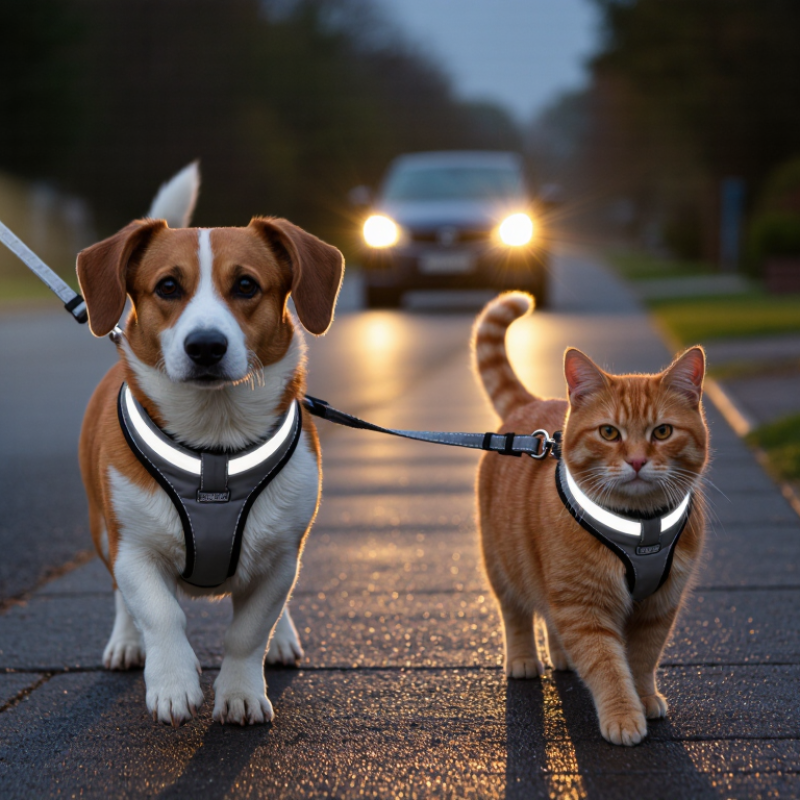
Picture an evening walk after rain: a leash in one hand, a flashlight in the other, and a collar briefly shining as a car approaches. Small detail. Still useful. Reflective collars can support safer routines for nighttime walks, early-morning outings, and pets that spend time near dim entrances. They work best alongside a secure leash, supervision, and a collar that fits well. Some reflective materials show less light as they age, so check yours regularly. A collar is only one layer of care.
Top Reasons Why Reflective Collars Are Good for Pets?

What Reflective Pet Collars Are and How They Work

Reflective pet collars use bands, threads, or small panels made with retroreflective material. They do not create light or glow in darkness. When headlights or a flashlight reach the surface, tiny optical elements send much of that light back toward its source. The collar can then appear bright to someone holding the light. That distinction matters.

Visibility depends on more than the collar. The material must face the beam, stay reasonably clean, and avoid being hidden by thick fur or clothing. A driver may notice a moving glint sooner on a dim street, but reflection cannot guarantee a pet will be seen. It also works poorly without a light source, so it does not replace supervision, a secure leash, or a well-lit route. Check the fit and stitching regularly; reflective areas can wear, and a twisted collar may show less surface.

Tips: Test the collar at dusk with a flashlight from several angles. Check that two fingers fit comfortably beneath it, and inspect it after muddy walks. Replace it if the reflective material looks dull or damaged. One quick test cannot represent every nighttime condition.

How Reflective Materials Improve Visibility in Low Light

Reflective collars help drivers and cyclists notice pets sooner when daylight fades. Their tiny reflective elements return light toward its source, such as approaching headlights. The collar does not create light or glow by itself. Visibility improves when a beam reaches the material at a useful angle.

That matters.

Picture a dog moving beside a dim road: a passing car’s headlights can catch the collar as the dog turns. Movement may make the reflection easier to notice than a still object. A reflective strip can also help reveal a pet near a driveway or on a nighttime walk. Its benefit depends on distance, angle, weather, and how much light is available.

Not magic.

Reflective material works best as one part of a careful nighttime routine, not a substitute for supervision or a leash. Check that the collar fits comfortably and that dirt, fraying, or fading has not dulled its surface. A wet coat, thick fur, or a turned-away head can hide much of the reflective area. Even a bright flash may not reach a driver in time. Small details matter: keeping the material clean and placing it where it remains visible can make its signal more useful.

Top Reasons Reflective Collars Help Pets Stay Visible in Low Light

Retroreflective material sends more headlight light back toward its source, helping drivers notice a pet. The chart shows how incoming light from an ideal point source decreases with distance, following the inverse-square law. Values are relative to the light level at 1 meter; they are not measured collar performance or visibility distances.

Actual visibility also depends on the headlight beam, collar angle, weather, and background lighting.

Why Better Visibility Can Reduce Outdoor Accident Risks

Top Reasons Why Reflective Collars Are Good for Pets?

Why Better Visibility Can Reduce Outdoor Accident Risks

At dusk, a dark-coated dog can disappear against wet pavement or an unlit hedge. Reflective collars help by returning light from approaching headlights, making a pet’s outline easier to notice. The risk is real. The National Highway Traffic Safety Administration’s 2022 Traffic Safety Facts: Pedestrians recorded 7,522 pedestrian deaths; roughly three-quarters occurred in dark conditions. That report covers people, not pets, so it cannot measure a collar’s effect on animal accidents. Still, it shows how much visibility can matter after dark.

A reflective collar works only when light reaches it. Its brightness can change with the driver’s angle, rain, dirt, and how the collar sits around the neck. Not a force field. Check that reflective strips are clean and visible, and pair the collar with a leash and a well-lit route. On a quiet street, a car may still turn in unexpectedly; on a rainy walk, glare can make details harder to read. I sometimes think reflective gear gets treated as a complete solution. It is better understood as one useful cue that gives drivers another chance to spot a moving pet.

How Reflective Collars Support Safer Walks and Identification

Reflective collars can make a pet easier to spot when car headlights or a flashlight hit the material. On a dim sidewalk, that flash may help a driver notice a dog near the curb sooner. The collar is not a lamp, though; without a light source, it may be difficult to see. A useful extra. Choose one with reflective sections visible from several angles, and check that fur or a harness does not cover them. Keep your pet close near roads, and use a leash and a small light when visibility is poor.

A collar also gives identification details a place to travel with your pet. Attach a readable tag with a current phone number, and inspect the ring and buckle for wear. A lost pet may move quickly; a clear number can help someone contact you, but it cannot guarantee a reunion. Make sure the collar fits securely without restricting breathing or swallowing. Fit guidance varies by animal and collar style, so ask a veterinarian if unsure. Reflective material can get dirty or wear down; clean it as directed and replace damaged gear. It is easy to assume a shiny collar solves everything. It doesn’t. Pair visibility with supervision and up-to-date identification.

Choosing a Comfortable, Well-Fitted Reflective Collar

A reflective collar only helps when it stays in place without rubbing or slipping over a pet’s head. Measure the neck with a soft tape, then leave room for two flat fingers between the collar and skin. Check the fit again after grooming, weight changes, or a growth spurt. Not too tight. A collar should not press into the throat or leave red marks after removal. If thick fur hides the fit, feel beneath it; a quick visual check can be misleading. Puppies need frequent adjustments.

Position reflective material outward, where passing headlights can catch it. Clean the collar when dirt dulls the reflective surface, and inspect its stitching and fastener for wear. The U.S. National Highway Traffic Safety Administration reported 7,522 pedestrian deaths in 2022, with 76% occurring in dark conditions. That statistic describes people, not pets, but it highlights the limits of visibility after dark. A collar is one useful aid, not a guarantee. Pair it with a leash and stay alert near traffic. Reflective gear is not a force field.

Top Reasons Why Reflective Collars Are Good for Pets? — Choosing a Comfortable, Well-Fitted Reflective Collar
Topic Practical Guidance Why It Matters What to Check
Visibility in Low Light Reflective surfaces return light toward its source, such as vehicle headlights or a flashlight. This can make a pet easier for people to notice in dim conditions when light reaches the collar. Check that reflective sections are clean, undamaged, and visible from more than one angle.
Not a Light Source A reflective collar does not produce light on its own. Its visibility depends on an external light source, so it should not be treated as a substitute for supervision or other safety measures. For walks in very dark areas, consider additional suitable lighting and keep your pet under control.
Comfortable Fit Measure your pet’s neck and follow the collar maker’s sizing instructions. As a common fit check, you should be able to slide two fingers between the collar and the neck without forcing them. A collar that is too tight may cause discomfort; one that is too loose may slip off or catch on objects. Check the fit while your pet is standing naturally, and inspect it regularly as your pet grows or changes weight.
Material and Skin Comfort Choose a collar with smooth edges and materials appropriate for your pet’s size, coat, and activity. Rough seams, trapped moisture, or a poor fit can irritate the skin. After wearing, look for redness, rubbing, hair loss, or signs that your pet is scratching at the collar.
Secure Fastening Select a fastening style that is easy for you to operate and stays secured during normal use. A secure closure helps the collar remain in place, while a quick-release design may be useful in situations where snagging is a concern. Check the buckle, adjustment slider, and stitching for wear before walks.
Identification If appropriate, attach an ID tag with current contact details and ensure it is firmly secured. Reflective material helps with visibility, but it does not identify your pet or provide contact information. Confirm that the tag is readable and that the collar is not overloaded with heavy attachments.
Routine Care Clean the collar according to its care instructions and allow it to dry fully before use. Dirt and wear can affect comfort and may reduce how well reflective surfaces work. Replace the collar if the reflective material, fastening, or webbing is badly worn or damaged.

FAQS

How does a reflective collar improve visibility at night?

Its small reflective elements return light from headlights or a flashlight. The collar does not glow by itself. Not without light.

When is a reflective collar most useful?

It can help drivers notice a pet near a curb or driveway when a beam reaches the collar. Distance, angle, and weather all matter.

Does a reflective collar replace a leash or supervision?

No. Keep your pet close near roads, and use a leash. A small light can help when the path is especially dim.

What can make a reflective collar harder to see?

Thick fur, a harness, dirt, or a turned-away head can cover the reflective area. Rain and fading may also reduce its usefulness.

How should I care for the reflective material?

Clean it as directed, and check for fraying or worn patches. Replace damaged gear. A quick check is easy to forget.

Can a reflective collar help identify a lost pet?

Yes. Attach a readable tag with a current phone number, and inspect its ring and buckle for wear. It may help someone contact you, but reunion is not guaranteed.

How should a collar fit?

It should stay secure without restricting breathing or swallowing. Fit varies by animal and collar style, so ask a veterinarian if unsure.

Do reflective strips work from every angle?

Not always. Choose sections visible from several angles, and check that fur or other gear does not hide them. A bright flash alone may not reach a driver in time.

Conclusion

Why are reflective collars good for pets? They help make dogs and cats easier to notice when light is limited, such as at dawn, dusk, or during nighttime walks. Reflective collars use materials that bounce light from sources like headlights or flashlights back toward its origin. This added visibility can help drivers, cyclists, and other people spot a pet sooner, potentially reducing the chance of outdoor accidents.

A reflective collar can also make walks more reassuring by helping an owner keep track of a pet in dim surroundings. Some collars include space for identification details, which may help a lost pet be reunited with its owner. For the collar to be useful, it should feel comfortable, fit securely without being too tight, and suit the pet’s size and activity level. Owners should check the fit regularly and make sure the reflective sections remain clean and visible. A collar improves visibility, but it should complement attentive supervision rather than replace it.

Sienna

Sienna

Sienna is a skilled marketing professional with a deep expertise in our company’s core products and services. With a passion for innovation and detail, she plays a pivotal role in crafting insightful blog posts that not only highlight the unique features of our offerings but also provide valuable......